

You wake up. The room is dark. You try to roll over, but your body is dead weight, can’t lift a finger. You can’t scream. Then, you feel it a presence. The air gets heavy. A shadow moves in the corner. Someone, something, is watching you.
Welcome to the club. You’ve just met the “sleep paralysis demon.”
If this sounds like a scene from a horror movie, you’re not alone. Research shows that roughly 75% of sleep paralysis episodes involve hallucinations. But here’s the kicker: you aren’t haunted, and you definitely aren’t going crazy. Your brain is just glitching out in the most terrifying way possible.
Let’s break down exactly why your mind conjures up these nightmarish intruders and how to kick them to the curb.
The Glitch: What is Sleep Paralysis?
Before we get to the demons, we need to talk about the hardware. Sleep paralysis is essentially a biological typo. It happens during the transition between sleeping and waking, specifically during Rapid Eye Movement (REM) sleep, NIH.
The Safety Switch: REM Atonia
When you enter REM sleep (the dream stage), your brain flips a safety switch called REM atonia. This shuts off your motor neurons to paralyze your major muscles. Why? So you don’t act out your dreams and accidentally punch your partner or run into a wall while dreaming about the zombie apocalypse.

The Mismatch
Usually, this paralysis wears off the second you wake up. But sometimes, your brain wakes up before your body gets the memo.
- Your Mind: “I’m awake! Let’s get moving.”
- Your Body: “Nope. Still offline. Come back later.”
You are fully conscious, but chemically locked down. This state can last anywhere from a few seconds to a couple of minutes. And that’s when the hallucinations start.
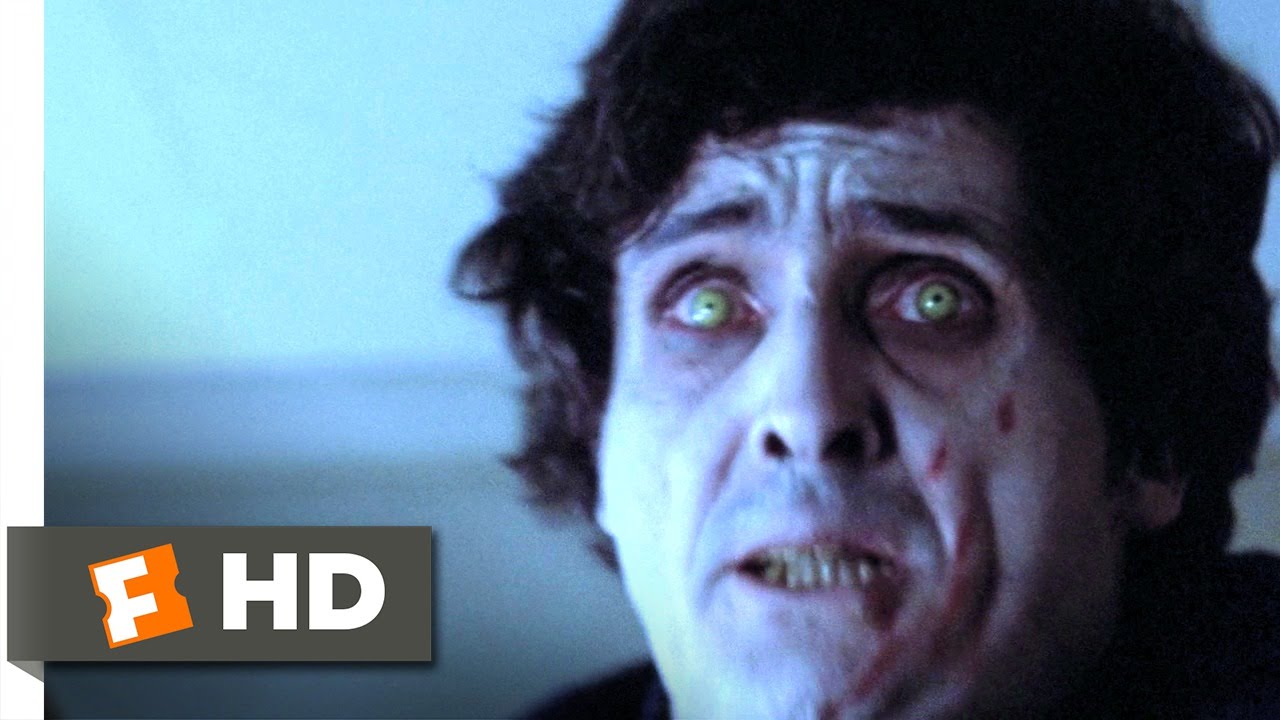
The “Demon” Effect: Why 75% See Monsters
So, why does a harmless biological glitch turn into a scene from The Exorcist? Why not hallucinate puppies or a nice beach?
It comes down to fear and confusion. When you wake up paralyzed, your brain’s “threat detection center” the amygdala goes into overdrive. It screams, “We are vulnerable! We can’t move! Danger!”
Hyperactive Agency Detection Device (HADD)
Evolutionary psychologists talk about something called the Hyperactive Agency Detection Device (HADD). It’s an ancient survival mechanism. If you’re a caveman and you hear a twig snap in the dark, it’s safer to assume it’s a tiger than the wind.
When you are paralyzed and panicked, your brain is desperate to find the cause of the threat. Since there is no actual attacker, your brain invents one. It projects your internal fear onto the empty room, creating a shadow figure, a demon, or an alien to explain why you feel so terrified.
Recent neurological theories suggest the “Shadow Man” might actually be you. Some researchers believe the “intruder” is a hallucinated projection of your own body map (homunculus) triggered by a disturbance in the brain’s parietal cortex. Your brain is trying to interpret your own paralyzed body signals and accidentally projects them as a separate entity standing next to you.

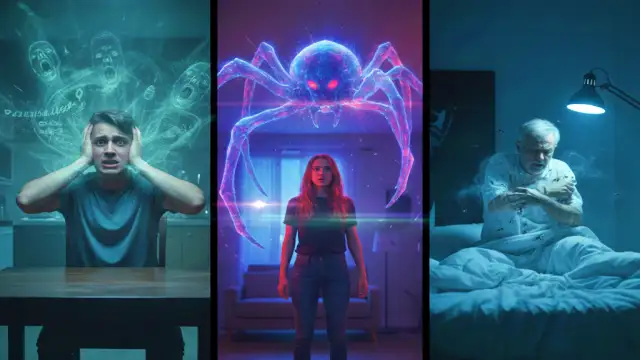
The Three Types of Hallucinations
Not all sleep paralysis demons are created equal. According to researchers like Dr. James Allan Cheyne, these hallucinations typically fall into three specific categories:
1. The Intruder
This is the most common. You sense a malicious presence in the room.
- The Vibe: You are being watched.
- The Visual: Shadow people, faceless silhouettes, or even specific cultural entities like the “Old Hag.”
- The Feeling: Pure, primal dread.
2. The Incubus
This one gets physical. It feels like something is sitting on your chest.
- The Sensation: Crushing pressure, difficulty breathing, or strangulation.
- The Science: You are paralyzed, so you can’t control your breathing voluntarily. You go into “autopilot” shallow breathing. Your panicked brain interprets this lack of control as something physically suffocating you.
3. Vestibular-Motor (The “Floaty” Ones)
These are the weirdest of the bunch. They involve out of body experiences.
- The Sensation: Floating, flying, spinning, or falling through the bed.
- The Cause: Your vestibular system (inner ear balance) is active during REM. When it misfires while you’re awake but paralyzed, it creates wild sensations of movement that aren’t happening.
Demons Around the World
This isn’t just a “you” problem. It’s a human problem. Cultures across history have created lore to explain this terrifying biological event.
- Brazil: A Pisadeira – A crone with long fingernails who stomps on the chests of those who sleep with a full stomach.
- Japan: Kanashibari – Bound by metal, often attributed to vengeful spirits.
- Newfoundland: The Old Hag – A witch who rides the victim’s chest.
- Egypt: Jinn – Spirit entities that terrorize the sleeper.
Every culture puts a different mask on the same neurological face.
How to Stop the Demon (Or At Least Chill It Out)
You can’t always prevent sleep paralysis, but you can fight back. Since the demon is fueled by fear, changing your reaction is key.

The “Wiggle” Technique
You can’t move your arms or legs, but smaller muscles often escape the paralysis.
- Focus all your energy on one toe or one finger.
- Try to wiggle it.
- Once that small movement happens, it often sends a signal to the brain to break the full-body paralysis loop.
Don’t Fight the Demon
It sounds counterintuitive, but fighting the paralysis increases the panic, which feeds the hallucination.
- Relax: Tell yourself, “This is just a glitch. It’s not real. It will end in 30 seconds.”
- Breathe: Focus on slow, rhythmic breathing.
- Mock It: Some lucid dreamers suggest mentally laughing at the demon. It turns the “monster” into something silly, stripping away its power.
Prevention Tactics
- Avoid Sleeping on Your Back: The “supine” position is the #1 trigger for sleep paralysis. It makes the airway more likely to collapse (snoring/apnea), which can wake your brain while your body is still asleep.
- Fix Your Sleep Schedule: Sleep deprivation and irregular sleep patterns confuse your REM cycles.
- Cut the Stimulants: Alcohol and caffeine close to bed can rebound your REM sleep, making vivid nightmares more likely.
When to See a Doctor
For most people, this is a rare, spooky anecdote. However, if you are seeing the Hat Man every Tuesday, it might be time to call a pro.
Recurrent sleep paralysis can be a symptom of narcolepsy or sleep apnea. If you are excessively tired during the day or falling asleep randomly, get checked out.
Wrap up
Sleep paralysis demons are terrifying, but they are paper tigers. They are biological mirages created by a confused brain. The next time you wake up frozen with a dark figure looming over you, remember: it’s not a ghost. It’s just your parietal cortex misfiring.
Have you ever met the sleep paralysis demon? What did yours look like?
Disclaimer: This content is for informational purposes only and does not constitute medical advice. If you have concerns about your sleep health, please consult a qualified healthcare professional.

