

You know that primal fear we all shove to the back of our minds? The one where you wake up in a dark, cold box, zipped inside a bag, realizing everyone you love thinks you’re gone?
It sounds like a scene from a cheap horror flick or a Victorian gothic novel. But for a tiny handful of people, this nightmare was a Tuesday.
Welcome to the medical anomaly known as Lazarus Syndrome.
We aren’t talking about zombies. We aren’t talking about ghosts. We are talking about biology so baffling that it forces doctors to question the very definition of death. Let’s peel back the sheet and look at what happens when the “dead” decide they aren’t quite finished yet.
What is Lazarus Syndrome?
In simple terms, Lazarus Syndrome (medically dubbed autoresuscitation) is when a person’s heart spontaneously starts beating again after doctors have stopped CPR and declared them dead.
It’s named after the biblical figure Lazarus, who was raised from the dead after four days. But in the medical world, there’s no divine intervention required—just physics, pressure, and a whole lot of luck.
Here is the typical scenario:
- A patient goes into cardiac arrest.
- Doctors perform CPR, pumping the chest and pushing air into the lungs.
- After 30–45 minutes, there’s no heartbeat. The team calls the time of death.
- Minutes (or hours) later, the patient gasps, moves, or finds a pulse.
It’s rare. Since 1982, there have been fewer than 100 documented cases in medical literature. But because many cases likely go unreported (hospitals don’t exactly brag about putting living people in morgues), the real number is a mystery.

The Cases That Will Keep You Up at Night
You want proof? History is littered with these “miracles.” Here are three that shook the medical community.

1. The Body Bag Kicker (Mississippi, 2014)
Walter Williams, a 78-year-old farmer from Lexington, Mississippi, was pronounced dead by a coroner at 9:00 PM. The cause? Congestive heart failure. His family gathered, cried, and watched as he was zipped into a body bag and taken to the funeral home.
But as the undertakers were preparing to embalm him—literally getting ready to drain his blood—they noticed something terrifying.
The bag was moving.
Williams was kicking his legs inside the bag. He wasn’t just twitching; he was fighting to get out. He was rushed to the hospital and lived for another two weeks. The coroner later called it a “miracle,” but science points to a pacemaker that might have stuttered and then rebooted.
2. The Cold Storage Survivor (Poland, 2014)
Janina Kolkiewicz was 91 years old when her family found her not breathing. The doctor arrived, checked for a pulse, found none, and issued a death certificate.
Janina was transported to the morgue and placed in cold storage.
Eleven hours later, morgue workers were terrified to see the black bag wriggling. They opened it to find Janina complaining that she was freezing and asking for a cup of tea. She went home, ate a bowl of soup, and warmed up. She had essentially taken an 11-hour nap in a refrigerator.
3. The Record Holder (West Virginia, 2008)
Velma Thomas holds a record no one wants. Her heart stopped three times. She was on life support, and doctors induced hypothermia to save her brain. After 17 hours of no measurable brain waves, the family made the heartbreaking decision to turn off the machines.
Ten minutes after the tubes were pulled—when she should have been flatlining forever—she woke up. Not just a pulse, but talking. She asked for her son. It defied every model of neurological death we have.

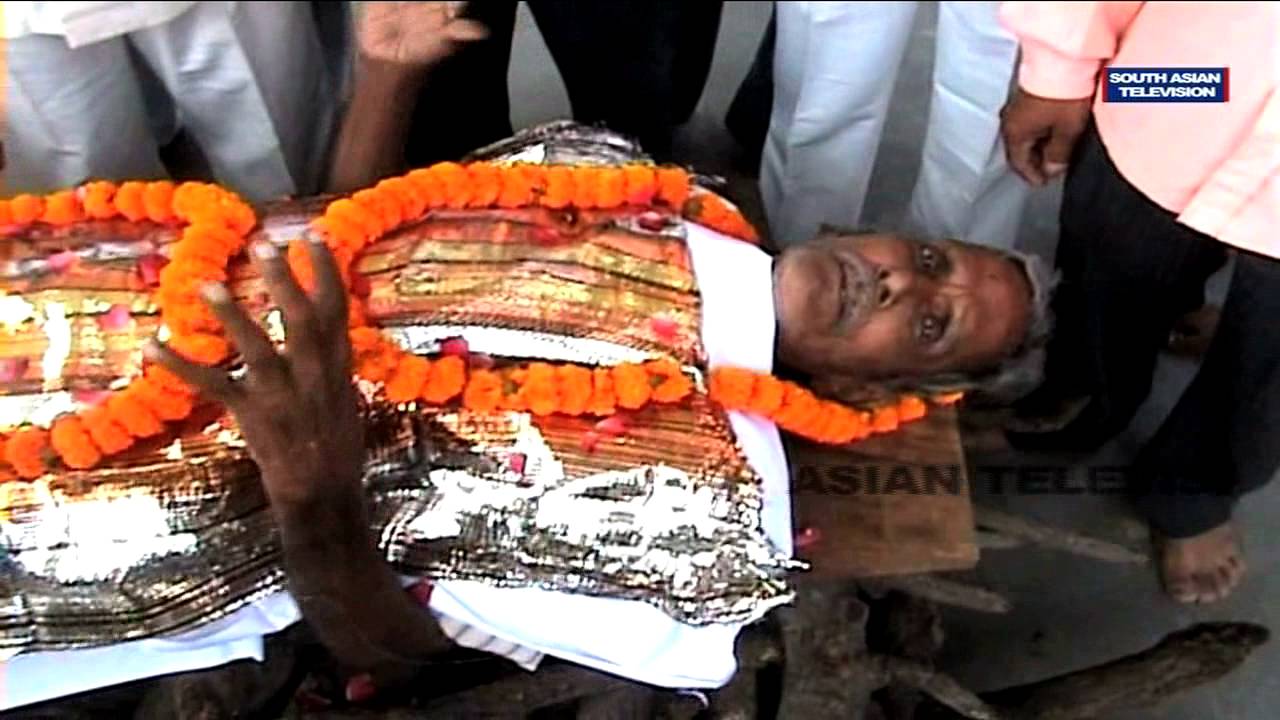
The Science: How is This Possible?
How does a heart that has been stopped for 30 minutes just… start again?
It’s not magic. It’s usually about pressure.
The “Air Trap” Theory (Dynamic Hyperinflation)
Imagine blowing up a balloon. Now imagine you keep blowing air in without letting any out. eventually, the pressure is so high that no more air can enter.
During aggressive CPR, paramedics pump air into the lungs (ventilation). If they pump too fast, air gets trapped in the lungs. This builds massive pressure in the chest (thorax).
- High Pressure: This chest pressure squeezes the veins bringing blood back to the heart.
- No Flow: Blood can’t enter the heart, so the heart has nothing to pump. It stops.
- The “Death” Moment: Doctors stop CPR.
- The Release: Once CPR stops, the trapped air slowly leaks out of the lungs. The pressure drops.
- The Reboot: Suddenly, blood rushes back into the heart. The heart, which was full of adrenaline from the resuscitation attempt, kickstarts.
Delayed Delivery
Another culprit is the drugs. During CPR, doctors inject epinephrine (adrenaline) to restart the heart. But if the blood isn’t flowing well (see above), that adrenaline sits in the veins, doing nothing.
When CPR stops and pressure normalizes, that backlog of adrenaline hits the heart all at once. Boom. A jumpstart from beyond the grave.
The “10-Minute Rule”
Because of Lazarus Syndrome, the rules of death are changing.
Guidelines from the World Health Organization and resuscitation councils now suggest a “No Touch” period. After stopping CPR, doctors should wait and monitor the patient for at least 10 minutes before certifying death.
Why 10 minutes? Because almost all recorded Lazarus cases happened within that window. If you stay flatlined for 10 minutes after CPR stops, you are physiologically unlikely to return.

Frequently Asked Questions (FAQs)
Q: Are these people “zombies”?
A: No. They are fully human. However, many suffer severe brain damage because their brain went without oxygen for a long time. The tragedy of Lazarus Syndrome is that while the heart restarts, the person often dies a few days or weeks later due to organ failure (though some, like the UK case in 2025 reported in recent medical reviews, make full recoveries).
Q: Can this happen at a funeral?
A: Extremely unlikely today. Modern embalming happens well after the 10-minute window. Plus, the chemical process of embalming makes survival impossible. The stories you hear usually happen between the hospital and the funeral home, not at the funeral.
Q: Is “Locked-in Syndrome” the same thing?
A: No. Locked-in syndrome is where a person is alive and conscious but paralyzed. Lazarus Syndrome is actual cardiac arrest—no pulse, no breathing—followed by a spontaneous restart.
Q: How do I make sure this doesn’t happen to me?
A: You can’t control it, but rest easy: medical technology has improved. Doctors now use ultrasound and ECGs to confirm the heart is truly still before calling it. The “poking a mirror under the nose” days are long gone.
Conclusion
The line between life and death isn’t as sharp as we like to think. It’s a blurry, gray zone where biology fights for every last second.
Lazarus Syndrome is a reminder that the human body is resilient, stubborn, and occasionally, miraculous. While it’s terrifying to think about waking up in a morgue, these cases have forced medicine to become safer. They’ve taught doctors to wait, to watch, and to respect the pause before the end.
So, the next time you hear a silence, don’t rush to fill it. Sometimes, that silence is just life taking a deep breath before coming back.
Call to Action:
Did this unlock a new fear or fascinate you? If you found this deep dive into medical mysteries helpful, share this article with a friend who loves the strange side of science. And tell us in the comments: would you want to know if you “died” for 10 minutes?
Sources help: nih.gov. wikipedia.org, healthvermont.gov

