

Ryan Murphy’s controversial hit Monsters: The Lyle and Erik Menendez Story dragged a thirty-year-old murder case back into the blinding spotlight of pop culture. You probably binge-watched the horrific shotgun blasts, the wild spending sprees, and the courtroom theatrics, wondering how much of it actually happened. We are separating Hollywood exaggeration from the chilling true story, tracing the brothers’ journey from a Beverly Hills mansion to their ongoing 2026 battle for parole.
The brutal crime that shook beverly hills
On the evening of August 20, 1989, Lyle (21) and Erik Menendez (18) walked into the den of their family home armed with 12-gauge shotguns. They fired repeatedly. Jose Menendez, a highly successful RCA music executive, took six shots. Kitty Menendez, their mother, was shot ten times. The violence was so extreme that responding police officers immediately suspected a mob hit.
How did two wealthy kids from a privileged zip code initially dodge suspicion? They relied on a surprisingly simple alibi. The brothers told investigators they had been out at a movie theater watching Batman. They claimed they returned home to find their parents slaughtered.
Detectives bought the story at first. Law enforcement simply could not fathom that two polished, affluent young men could execute their own parents with such savage precision.
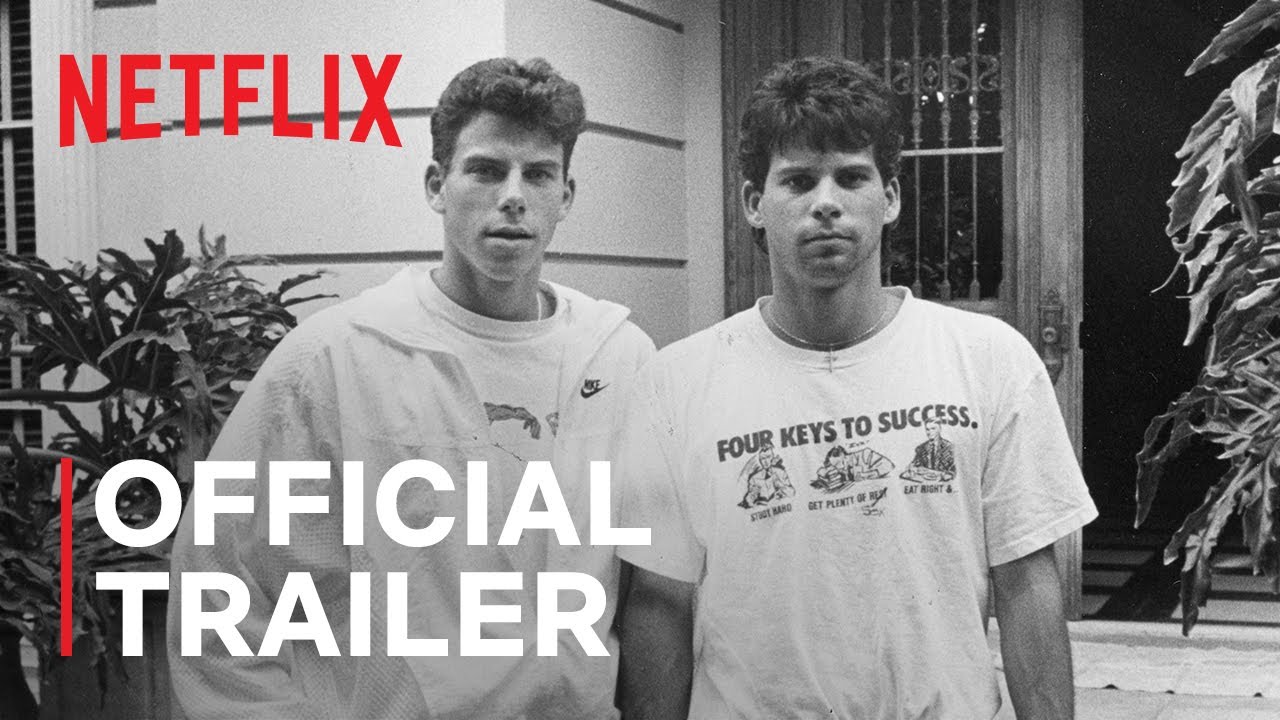
The $700,000 shopping spree: Fact vs Fiction
Netflix spends a significant chunk of time showcasing the brothers burning through cash right after the funeral. Did they actually go on a massive spending bender while supposedly grieving? Yes.
Prosecutors zeroed in on this erratic behavior to build their case. The prosecution painted a picture of cold-blooded, greedy killers who wanted early access to a $14.5 million estate. Within months of the murders, Lyle and Erik blew through an estimated $700,000.
Here is exactly what that money bought them:
- Rolex Watches: Just four days after burying their parents, the brothers dropped $15,000 on three luxury watches.
- Real Estate and Business: Lyle bought a restaurant and invested heavily in property.
- Vehicles and Staff: Erik hired a private tennis coach for $60,000 a year and bought a new Jeep.
Lyle also wore a toupee in real life, a detail the show heavily dramatizes. Court transcripts confirm the hairpiece became a bizarre focal point during the trial, almost as famous as the missing Mossberg shotguns.
The therapist tapes that doomed them
You might wonder how they eventually got caught. It wasn’t the Rolexes. It was a guilty conscience.
Haunted by nightmares and crumbling under the psychological weight of the crime, Erik confessed to his psychologist, Dr. Jerome Oziel. Oziel recorded these highly incriminating sessions. But therapist-patient confidentiality usually protects this kind of admission. Why did the tapes see the light of day?
Lyle found out about the confession and reportedly threatened Oziel’s life. That specific threat shattered their legal protection. When a patient threatens a doctor, confidentiality goes out the window.
Even then, the police needed a tip to know the tapes existed. Judalon Smyth, Oziel’s mistress, went to the authorities and blew the case wide open. The brothers were arrested in March 1990.

Ryan murphy’s controversial choice: The “Rashomon” approach
Monsters faced intense backlash upon its release. The real Erik Menendez publicly slammed the show from behind bars, calling out its factual inaccuracies and harmful portrayal of his brother.
Creator Ryan Murphy defended his vision by explaining the show uses the “Rashomon effect”. This storytelling technique shows the exact same event from multiple conflicting perspectives. Sometimes the brothers look like terrified victims. Other times, they look like manipulative sociopaths. Murphy wanted viewers to experience the drastically different theories pushed by the prosecution, the defense, and the media at the time.
Did the Brothers Have an Incestuous Relationship?
One specific storyline sparked massive outrage. Monsters heavily implies an incestuous, romantic relationship between Lyle and Erik. Did this actually happen?
Absolutely not. The brothers vehemently deny any such relationship. This plot point came from a highly speculative theory pushed by Vanity Fair reporter Dominick Dunne during the 1990s trial.
Investigative journalist Robert Rand, who has covered the case for decades, clarifies the reality. The only physical contact between the boys happened when Lyle was eight years old. He acted out trauma on Erik using a toothbrush — mirroring the exact abuse Jose inflicted on him. It was a tragic trauma response, not a romantic affair. Netflix blending this sensationalized rumor with verified facts left a bad taste in many viewers’ mouths.
The “Abuse Excuse” vs courtroom reality
Once the trial began in 1993, Lyle and Erik never denied pulling the triggers. They built their entire defense around survival. The brothers claimed they suffered years of extreme physical, emotional, and sexual abuse at the hands of their father. They argued that Kitty knew about the monster in her house but chose to protect her lifestyle over her children.
The boys believed their parents were actively plotting to murder them to keep the family secrets buried. A bizarre family boat trip days before the murders terrified the brothers. They testified that they stayed on the freezing bow of the boat for hours because they genuinely thought Jose planned to throw them overboard.
During the first trial, the defense brought in dozens of witnesses who corroborated the highly dysfunctional family dynamic. Two separate juries — one for each brother — could not agree on murder versus manslaughter. The result? A stunning mistrial.
Prosecutors panicked. When the state tried the brothers again in 1995, the strategy shifted dramatically. The judge refused to allow most of the abuse evidence into the courtroom. The prosecution mocked the brothers’ claims, labeling it the “abuse excuse”. Without the context of their trauma, Lyle and Erik were easily convicted of first-degree murder. The judge handed down a crushing sentence in 1996: life in prison without the possibility of parole.
New evidence changes everything
For nearly thirty years, the Menendez brothers sat in a California prison, their appeals constantly rejected. Most people assumed they would die behind bars. Then, two massive pieces of evidence surfaced, entirely shifting the legal landscape.

- The Roy Rosselló Allegation: A Peacock docuseries highlighted a horrifying claim from Roy Rosselló, a former member of the boy band Menudo. He came forward alleging that Jose Menendez sexually assaulted him when he was just a teenager. This third-party accusation directly corroborated the brothers’ claims about their father’s predatory behavior.
- The Andy Cano Letter: Journalist Robert Rand unearthed a letter Erik wrote to his cousin, Andy Cano, eight months before the murders. The letter explicitly details his sheer terror. “I’ve been trying to avoid dad. It’s still happening Andy but it’s worse for me now,” Erik wrote.
Armed with this fresh evidence, the defense filed a habeas corpus petition in 2023. By late 2024, former Los Angeles District Attorney George Gascón publicly recommended resentencing the brothers. He pointed out that modern courts understand the deep psychological impacts of sexual abuse far better than the courts of the 1990s.
Where are Lyle and Erik menendez now?
The legal battle hit a massive turning point in May 2025. Los Angeles County Superior Court Judge Michael Jesic officially resentenced both brothers to 50 years to life.
Because they committed the crimes when they were under the age of 26, California’s youthful offender laws immediately made them eligible for parole. The judge cited their incredible rehabilitation. Over the last 35 years, Lyle created “Green Space” (a prison beautification project), while Erik dedicated himself to providing hospice care for dying inmates.
Are they walking free today? Not yet.
The path to freedom is heavily contested. Newly elected DA Nathan Hochman fiercely opposed the resentencing, arguing the brothers have not taken full responsibility for their actions. In August 2025, the parole board actually denied their first bid for release due to alleged rule-breaking incidents.
As of mid-2026, Lyle (58) and Erik (55) remain locked inside the Richard J. Donovan Correctional Facility in San Diego. They are currently fighting through a rigid risk assessment process mandated by California Governor Gavin Newsom.
Pop culture turns real trauma into bingeable entertainment. Monsters succeeded in getting people talking, but it often prioritized shock value over the painful truth. The Menendez brothers are no longer the terrified, shotgun-wielding kids from 1989. They are aging men navigating a slow, complex legal system, hoping a modern understanding of trauma will finally open their cell doors.

