

History’s 10 Most Notorious Juvenile Cases
Childhood is supposed to be a space of innocence. It’s the one time in our lives we’re meant to be protected from the world’s darkness, not contributing to it. But what happens when that script is flipped? What happens when the monster everyone is looking for is a child?
This isn’t about cheap thrills or glorifying violence. This is about trying to understand the unthinkable. We’re going to look at ten cases of juvenile offenders whose crimes were so shocking, so brutal, or so baffling that they carved their names into history. These are the stories that forced society to ask terrifying questions about good, evil, and the nature of childhood itself.
They changed laws, dominated headlines, and left permanent scars.
What Makes a Juvenile Case “Notorious”?
Before we get to the list, let’s be clear about the criteria. “Notorious” doesn’t just mean a horrible crime. It’s about the ripple effect. We’re looking at cases that became infamous for a combination of reasons:
- The sheer shock of the perpetrator’s age.
- The brutality or strange nature of the crime.
- The intense media frenzy that followed.
- The way the case challenged or changed the legal system.
- The profound psychological questions it raised.
These aren’t just crime stories; they are cultural and historical touchstones.
1. Mary Bell: The Child Who Killed Children (1968)
At just ten and eleven years old, Mary Bell strangled two small boys, Martin Brown (4) and Brian Howe (3), in Newcastle, England. If that isn’t chilling enough, she returned to the scene of her second murder to carve the letter “M” into the victim’s stomach with a razor blade. She and a friend also left taunting, handwritten notes for the police.

Why It’s Notorious: Mary Bell’s case is the stuff of nightmares because it obliterates the line between child and monster. During her trial, it was revealed that Bell came from a deeply abusive home, with a mother who was a sex worker and likely tried to poison her as a child. This forced a horrifying debate: was Mary Bell born evil, or was she a product of unimaginable trauma? She was convicted of manslaughter on the grounds of diminished responsibility and became a haunting case study in child psychology and the cycle of abuse. Her story, as detailed in Gitta Sereny’s book Cries Unheard, remains a foundational text in understanding severe childhood pathology.
- The Crime: The strangulation of two toddlers.
- The Aftermath: Convicted of manslaughter and detained. After her release, she was granted lifelong anonymity for herself and her daughter, a controversial decision that is still debated today.
- The Question It Leaves Us With: Can a child who kills ever truly be rehabilitated, and what responsibility does society have for the monstrous homes that create them?
2. Jon Venables & Robert Thompson: The Murder of James Bulger (1993)
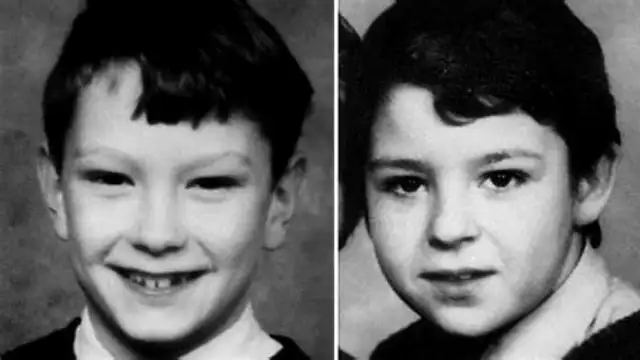
The case of James Bulger didn’t just shock the UK; it left a permanent scar on its psyche. Two ten-year-old boys, Jon Venables and Robert Thompson, abducted two-year-old James from a shopping center. Grainy CCTV footage of the toddler being led away by the hand by one of his killers is one of the most haunting images in modern crime history. What they did to him over the next few hours was an act of unspeakable brutality. They tortured him and left his body on a railway line to be hit by a train.
Why It’s Notorious: This case is infamous for the extreme youth of the killers paired with the sadistic nature of the crime. It triggered a national wave of grief, rage, and soul-searching. The trial was a media circus, with the boys tried in an adult court. Their conviction and eventual release with new identities in 2001 has been a source of perpetual public anger and debate. Venables has since been recalled to prison twice for possessing indecent images of children, fueling arguments that some offenders can never be truly rehabilitated.
- The Crime: The abduction, torture, and murder of a two-year-old.
- The Aftermath: The youngest convicted murderers in modern English history. Their case led to fierce debates about juvenile justice, media coverage, and the possibility of redemption.
- The Question It Leaves Us With: When a crime is this evil, does the age of the perpetrators even matter in how they should be punished?
3. Jesse Pomeroy: The Boy Fiend of 19th-Century Boston (1874)

Think this is a modern problem? Think again. Jesse Pomeroy was a terrifying figure in 19th-century Boston. At just 14, he was known for torturing other, younger children. After a brief stint in reform school, he was released. He then murdered a ten-year-old girl and a four-year-old boy, brutally mutilating their bodies. The press dubbed him “The Boy Fiend.”
Why It’s Notorious: Pomeroy’s case is one of the earliest and clearest examples of what we would now call severe psychopathy in a juvenile. He showed no remorse and had a chilling, intelligent grasp of his own actions. At the time, there was no psychological framework to understand him. He was simply seen as pure evil. He was sentenced to death, but because of his age, his sentence was commuted to life in solitary confinement. He spent over 50 years in prison, becoming the longest-serving prisoner in Massachusetts history, and reportedly taught himself several languages, including Hebrew and German.
- The Crime: Torture and murder of multiple children.
- The Aftermath: Became a landmark case in 19th-century American jurisprudence regarding juvenile capital punishment. He died in prison at the age of 72.
- The Question It Leaves Us With: How does society deal with someone who seems to be a stone-cold psychopath at such a young age, long before the tools of modern psychology existed?
4. Brenda Ann Spencer: “I Don’t Like Mondays” (1979)
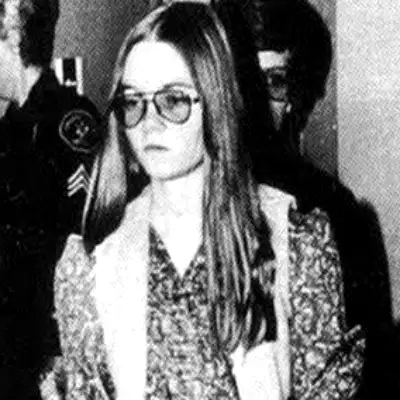
On a Monday morning in San Diego, 16-year-old Brenda Ann Spencer opened fire from her bedroom window on the elementary school across the street. She killed two adults (the principal and a custodian) and injured eight children and a police officer. When a journalist managed to reach her by phone during the standoff and asked why she did it, she gave a reply that became instantly infamous.
Why It’s Notorious: Her reason: “I don’t like Mondays. This livens up the day.” This chillingly casual explanation for such a senseless act of violence horrified the public. It was a gut-punch. There was no grand motive, no elaborate plan for revenge—just a teenager with a rifle she’d received for Christmas and a feeling of boredom. The Irish rock band The Boomtown Rats immortalized her quote in their hit song “I Don’t Like Mondays,” cementing her place in pop culture infamy. Her case became a symbol of seemingly motiveless, suburban nihilism.
- The Crime: A school shooting that killed two and wounded nine.
- The Aftermath: Pled guilty to two counts of murder and is serving a sentence of 25 years to life. She has been denied parole multiple times.
- The Question It Leaves Us With: Is “no reason” the most terrifying reason of all?
5. Eric Harris & Dylan Klebold: The Columbine Massacre (1999)

This is the one that changed everything. On April 20, 1999, high school seniors Eric Harris (18) and Dylan Klebold (17) enacted a meticulously planned attack on Columbine High School in Colorado. They murdered 12 students and one teacher and injured 24 others before taking their own lives. For a generation, “Columbine” became shorthand for school shootings.

Why It’s Notorious: Columbine wasn’t the first school shooting, but it was the first to unfold like a real-time media spectacle. It ushered in the age of 24/7 news coverage for such tragedies. The killers left behind extensive journals and videotapes (the “basement tapes”), giving the world a disturbing look into their minds. Their motives have been endlessly dissected—bullying, depression, psychopathy, a desire for infamous glory. According to a report by the FBI, the Columbine case created a “script” for future attackers, influencing dozens of copycat plots. It permanently altered school security, law enforcement tactics for active shooters, and the way we talk about teen alienation.
- The Crime: A mass murder and planned bombing of their high school.
- The Aftermath: Transformed how American law enforcement responds to active shooters (they now enter immediately rather than wait for SWAT). It sparked national debates on gun control, bullying, and violent video games.
- The Question It Leaves Us With: In the internet age, how do we stop troubled teens from finding inspiration in the manifestos of past killers?
6. Graham Young: The Teacup Poisoner (1962 & 1971)

Graham Young was obsessed with poisons and poisoners from a young age. He was also brilliant, with a deep, self-taught knowledge of chemistry. At 14, he began systematically poisoning his family in a London suburb with antimony, just to observe its effects. His stepmother died, and his father, sister, and a friend became violently ill. He was caught and sent to Broadmoor, a high-security psychiatric hospital.
Why It’s Notorious: Here’s the twist. After nine years, doctors declared him “cured” and released him. He immediately got a job at a photographic supply company and started poisoning his coworkers, killing two and sickening several others. He was dubbed “The Teacup Poisoner.” Young’s case is a terrifying example of a highly intelligent, manipulative killer who could fool the experts. He saw his crimes as a scientific experiment, not an act of malice, which makes him all the more frightening.
- The Crime: Serial poisoning as both a juvenile and an adult.
- The Aftermath: His case led to a public outcry and a tightening of restrictions on the release of prisoners with similar personality disorders. He died in prison in 1990.
- The Question It Leaves Us With: How can the justice and medical systems identify a brilliant manipulator who doesn’t fit the typical profile of a violent offender?
7. Willie Bosket: The Teen Who Rewrote New York’s Laws (1978)
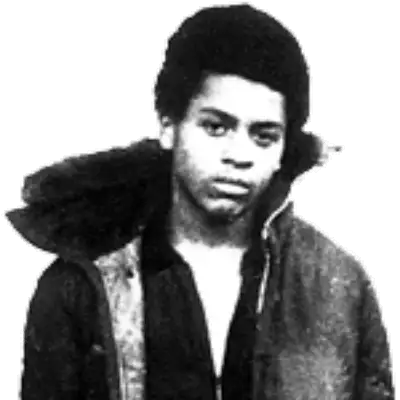
At just 15, Willie Bosket went on a violent crime spree on the New York City subway, culminating in two murders. Because of his age, he knew the most he could face under existing law was a five-year sentence in a juvenile facility. During his trial, he was reportedly defiant, fully aware that the system couldn’t touch him in the way it could an adult.
Why It’s Notorious: Bosket’s case is a legal landmark. His brazen attitude and the brutality of his crimes caused a moral panic in New York. The public was outraged that such a violent offender would be back on the streets in a few years. In direct response, New York passed the Juvenile Offender Act of 1978, often called the “Willie Bosket Law.” This law mandated that juveniles as young as 13 accused of serious crimes like murder could be tried as adults and receive much harsher sentences. Bosket himself later said, “I am the cause, the reason for the constitutional change.”
- The Crime: Armed robbery and two murders on the NYC subway.
- The Aftermath: Directly led to the passage of one of the toughest juvenile justice laws in the United States, setting a precedent for other states. Bosket has spent nearly his entire life in prison.
- The Question It Leaves Us With: Should the law be changed in response to one extreme case, and what are the consequences for other young offenders?
8. Lionel Tate: The Youngest American Sentenced to Life (2001)
In 1999, 12-year-old Lionel Tate was left alone with 6-year-old Tiffany Eunick. He later claimed he was imitating professional wrestling moves on her. The result was a horrific beating that killed her. Tiffany suffered a fractured skull, a lacerated liver, and over 30 other injuries. Tate was tried as an adult.
Why It’s Notorious: At age 14, Lionel Tate became the youngest person in modern U.S. history to be sentenced to life in prison without the possibility of parole. The sentence sparked an international outcry. Was he a cold-blooded killer or a child who didn’t understand his own strength or the consequences of his actions? The case put a harsh spotlight on laws that require adult trials for certain juvenile crimes, regardless of intent or mental capacity.
- The Crime: The murder of a 6-year-old girl.
- The Aftermath: His life sentence was eventually overturned by an appellate court in 2004. However, his life after release was troubled, and he was later sentenced to 30 years in prison for armed robbery.
- The Question It Leaves Us With: Where is the line between childish imitation and criminal intent, and how can the court system possibly determine it?
9. Anissa Weier & Morgan Geyser: The Slender Man Stabbing (2014)

This is a case born entirely of the digital age. In Waukesha, Wisconsin, two 12-year-old girls, Anissa Weier and Morgan Geyser, lured their friend Payton Leutner into the woods. Geyser then stabbed her 19 times while Weier encouraged her. Miraculously, Payton survived. Their motive? They claimed they had to kill her to become “proxies” of Slender Man, a fictional internet boogeyman, and protect their families from him.
Why It’s Notorious: The “Slender Man” case is a terrifying modern fable about the power of the internet. It explored a phenomenon known as folie à deux, a French term for a shared delusion between two people. The case raised brand new questions for the justice system: How do you handle a crime driven by a belief in something that is demonstrably fake? How culpable are children who are unable to separate online fantasy from reality? It’s a landmark case for understanding crime in the internet era.
- The Crime: The attempted murder of a friend to appease a fictional internet character.
- The Aftermath: Both girls were found not guilty by reason of mental disease or defect and committed to state mental health institutions. Both have since been released.
- The Question It Leaves Us With: In a world where kids live so much of their lives online, how do we teach them to distinguish between dark fantasy and dangerous reality?
10. Kip Kinkel: The Day Before Columbine (1998)

A year before Columbine seized the world’s attention, 15-year-old Kip Kinkel provided a chilling preview. After being suspended for bringing a gun to his Oregon high school, Kinkel went home, murdered both of his parents, and then returned to the school the next day. He walked into the cafeteria and opened fire, killing two students and injuring 25.
Why It’s Notorious: Kinkel’s case is a tragic story of severe, untreated mental illness. He suffered from paranoid schizophrenia and heard voices in his head commanding him to commit violence. His parents, both teachers, struggled to get him effective help. His journals revealed a mind in torment, filled with violent thoughts he felt powerless to control. The case highlighted the catastrophic failure of the mental health system and the community to recognize and treat a deeply disturbed child before he snapped.
- The Crime: The murder of his parents, followed by a school shooting.
- The Aftermath: Sentenced to 111 years in prison without the possibility of parole. His case became a major talking point about the intersection of teen mental health and access to firearms.
- The Question It Leaves Us With: How many tragedies could be averted if we treated juvenile mental illness with the same urgency as any other life-threatening disease?
Tying It All Together: The Uncomfortable Truths
Looking at these cases together, you see patterns. You see the devastating impact of abuse and neglect (Mary Bell). You see untreated mental illness (Kip Kinkel). You see the strange, terrifying power of shared delusion (Slender Man) and the desire for infamy (Columbine).
These stories are hard to read. They are profoundly sad and deeply disturbing. But they are important because they force us to look at the cracks in our society—in our families, our schools, and our justice and healthcare systems. They prove that the monster under the bed is sometimes the child tucked into it. And ignoring that fact is the most dangerous thing we can do.
These are some of history’s most harrowing tales. What case has always stuck with you, and why? Share your thoughts in the comments below. Let’s talk about it.

