

What Is Earth Day? History, Date, and How It Sparked a Global Movement
Have you ever wondered why millions of people suddenly plant trees every April? You might see local cleanups popping up in your neighborhood. Perhaps your social media feeds turn completely green. Actually, this isn’t just a random springtime trend. It represents the largest secular observance in the entire world. Welcome to Earth Day! Whether you are a curious student, a busy parent, or simply someone who enjoys breathing clean air, this global event matters deeply. Let’s break down exactly how one single idea transformed into an unstoppable revolution.
Key takeaways
- The Date: The event happens globally on April 22 every single year.
- The Origins: Senator Gaylord Nelson founded the movement in 1970 after witnessing a devastating ocean oil spill.
- The Huge Impact: This grassroots uprising directly led to the creation of the U.S. Environmental Protection Agency (EPA).
- The 2026 Theme: “Our Power, Our Planet” focuses heavily on community-driven action to protect environmental safeguards.
When is earth day celebrated?
Mark your calendars immediately. Earth Day takes place on April 22 every year. For instance, the next major celebration falls on Wednesday, April 22, 2026. Interestingly, organizers didn’t choose this specific date by accident.
Back in the late 1960s, peace activist John McConnell initially proposed a day honoring the planet during a UNESCO conference. He suggested March 21, the first day of spring. However, United States Senator Gaylord Nelson had a slightly different vision. He wanted to maximize student participation across America. Therefore, he needed a date that fell neatly between college spring breaks and final exams. April 22 hit that sweet spot perfectly.
Consequently, millions of young adults left their classrooms to join the very first rallies. Today, that April date remains firmly locked in. Furthermore, many modern communities now stretch the celebration into “Earth Week” to host multiple eco-friendly events.
How it all began
Let’s quickly rewind the clock to 1969. At that specific time, factories pumped thick, black smoke directly into the sky without any legal consequences. Automakers built massive, gas-guzzling cars. Furthermore, the general public largely considered air pollution the necessary “smell of prosperity.” There were virtually no robust laws protecting our fragile ecosystem.
Then, an absolute disaster struck. A massive blowout off the coast of Santa Barbara, California, dumped millions of gallons of crude oil into the ocean. The devastation to local wildlife was horrifying. Frankly, the public was outraged.
Senator Nelson saw the horrific damage firsthand. He decided enough was enough. Nelson wanted to channel the intense anti-war protest energy of the 1960s into a brand-new, life-saving cause. His goal was surprisingly simple: force environmental protection onto the national political agenda.
A grassroots uprising
To make this dream a reality, Nelson recruited a brilliant young activist named Denis Hayes. Hayes was tasked with organizing nationwide “teach-ins” on college campuses. Very quickly, the organizing team realized this idea possessed massive cultural potential. They changed the name to “Earth Day,” a catchy phrase coined by an advertising writer named Julian Koenig. As a result, the event exploded into the national media spotlight.

Crucially, they didn’t do it alone. Labor unions stepped up massively. The United Auto Workers (UAW) became the largest financial and operational supporter of the movement. According to Hayes, the entire event would have likely flopped without the UAW’s crucial backing.
On April 22, 1970, an astonishing 20 million Americans took to the streets. That was roughly 10% of the entire United States population! People from all walks of life magically united. Republicans and Democrats stood together. Rich urbanites and rural farmers marched side by side. Suddenly, protecting the planet wasn’t a fringe, radical idea anymore. Instead, it became a massive national priority.
Local protests to global action
For exactly 20 years, the movement remained primarily an American phenomenon. But the atmosphere obviously doesn’t have borders. Eventually, the movement desperately needed to grow.
In 1990, a group of environmental leaders approached Denis Hayes once again. They asked him to organize another massive campaign. This time, they went completely global. The results were staggering. Over 200 million people across 141 countries actively participated. This massive international push helped pave the way for the famous 1992 United Nations Earth Summit in Rio de Janeiro.
Today, the numbers are truly hard to comprehend. The organizing network works with over 150,000 partners globally. Annually, over one billion people participate in related activities across 190 countries. From local trash cleanups in Tokyo to massive tree-planting campaigns in Kenya, the cultural impact is entirely undeniable.
Why the Earth Day movement actually matters
You might be asking yourself right now, “Does picking up trash for one single day really change anything?”
Yes, it absolutely does. Historically speaking, the first demonstration produced jaw-dropping political results. By the end of 1970, the U.S. government established the Environmental Protection Agency (EPA). Moreover, lawmakers passed a flurry of critical environmental laws under massive public pressure.
Here are just a few massive victories sparked by that initial 1970 momentum:
- The Clean Air Act: Designed to control toxic air pollution on a national level.
- The Clean Water Act: Strictly regulated the discharge of dangerous pollutants into the nation’s surface waters.
- The Endangered Species Act: Protected critically threatened plants and animals from imminent extinction.
Without that initial push, our modern world would look radically different. We would breathe dirtier air, drink toxic water, and see far fewer majestic animals. Ultimately, this annual observance reminds lawmakers everywhere that the voting public deeply cares about planetary survival.
The 2026 theme: “Our Power, Our Planet”
Every year, the official network announces a specific theme. This brilliant strategy keeps the global messaging focused and relevant. For example, 2024 fiercely tackled the “Planet vs. Plastics” crisis.
For Earth Day 2026, the official theme is “Our Power, Our Planet”. But what does that mean exactly?
Recently, the world has witnessed concerning rollbacks of environmental protections. Decades of hard-fought legislative work are currently being dismantled. Therefore, the 2026 theme serves as a powerful, urgent reminder. It highlights that everyday people hold the true power. Environmental progress doesn’t solely depend on politicians or massive corporations. Instead, it relies heavily on the daily, relentless actions of local communities, educators, and families.
Taking your power back
Essentially, this theme pushes back hard against “eco-anxiety.” Many people feel entirely helpless watching the nightly news. Don’t let panic paralyze you. By joining a local cleanup or simply talking to your neighbors, you harness collective power. Awareness without action changes absolutely nothing. Consequently, the 2026 focus is all about getting your hands dirty and doing the actual work.
How can you participate? 7 Practical ways
So, how do you get involved? You don’t need to be a wealthy philanthropist to make a massive difference. Here are seven highly effective, beginner-friendly ways to celebrate:
- Join a Community Cleanup: Grab a heavy-duty trash bag and some thick gloves. Head directly to your local park or beach. Cleaning up physical waste stops microplastics from entering our delicate waterways.
- Plant Native Species: Ditch those exotic, high-maintenance decorative plants. Instead, plant native flowers and trees. They require significantly less water and naturally support local bees, butterflies, and birds.
- Audit Your Energy Use: Take a quick walk around your house. Unplug devices that are sitting lazily on “standby” mode. Surprisingly, these energy vampires account for up to 10% of your total household energy use.
- Ditch Single-Use Plastics: Invest in a sturdy reusable water bottle today. Bring canvas bags to the grocery store. These tiny personal changes prevent thousands of plastic items from ever reaching landfills.
- Eat More Plants: The industrial meat sector produces a massive amount of greenhouse gases. Try going completely meatless just one or two days a week. It lowers your personal carbon footprint significantly.
- Educate Yourself and Others: Watch a high-quality documentary about climate change. Read a book detailing ocean conservation. Afterward, boldly share what you learned with a friend over coffee.
- Vote for the Planet: Research your local politicians thoroughly. Support leaders who actively prioritize clean air, renewable energy, and water safety. Your vote is your absolute loudest voice.
Fun and surprising earth day facts
Everyone loves a good piece of trivia. Here are some mind-blowing stats to share at your next gathering:
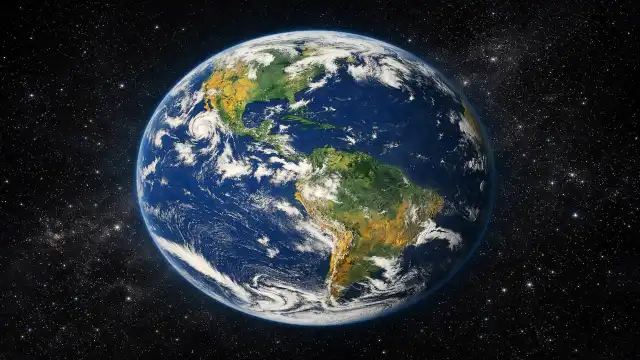
- It has its own flag: The unofficial Earth Flag was designed by John McConnell. It proudly features the famous “Blue Marble” photograph of Earth taken by the Apollo 17 crew in space.
- It spawned an international treaty: On April 22, 2016, the United Nations purposefully chose Earth Day to officially sign the landmark Paris Climate Agreement.
- Trees are a massive deal: In 2012, to celebrate the occasion, over 100,000 people in China rode their bikes to reduce emissions while simultaneously planting hundreds of thousands of trees.
- Digital impact: In 2020, the COVID-19 pandemic forced celebrations completely online. Despite widespread global lockdowns, over 100 million people still participated digitally to mark the 50th anniversary.
- The Overshoot Day connection: Scientists use environmental data to calculate “Earth Overshoot Day.” This represents the exact date humanity completely uses up all the biological resources the planet regenerates in one year. Awareness days actually help push that grim date further back into the calendar!
Frequently asked questions
Who actually invented Earth Day?
Senator Gaylord Nelson of Wisconsin came up with the core idea in 1969. He worked closely alongside Denis Hayes, a young activist, to organize the massive nationwide teach-ins in 1970.
When is Earth Day 2026?
The event takes place globally on Wednesday, April 22, 2026. It falls precisely on this exact calendar date every single year.
What is the theme for Earth Day 2026?
The official theme is “Our Power, Our Planet”. It strongly focuses on community-driven action, harnessing collective power, and fighting back against the dangerous dismantling of environmental protections.
Is Earth Day a public holiday?
No, it is not an official federal or public holiday. Banks, standard businesses, and post offices remain open. However, many schools dedicate substantial class time to teaching environmental science specifically on this day.
Can one single person really make a difference?
Absolutely. Massive global change always begins with small, individual actions. When millions of individuals decide simultaneously to recycle, reduce plastic, and vote for green policies, the system has no choice but to adapt.
Your turn to take action
Ultimately, protecting our only home isn’t a one-day chore. It requires a dedicated, lifelong commitment. The incredible history of this movement proves that when ordinary people unite for a common cause, they can literally change the world. Crucial laws get passed. Polluted rivers get cleaned. Vulnerable species are successfully saved from the terrifying brink of extinction.
Now, the baton is officially passed to you. We hold the immense power to shape the future of our ecosystem. Therefore, let’s strive to make every single day Earth Day.
What will you do to celebrate this year? Are you planting a vegetable garden or perhaps organizing a neighborhood park cleanup? Drop a comment below and share your eco-friendly plans! Also, don’t forget to share this article with your friends and family to help spread the green revolution today.
Sources help:
- https://en.wikipedia.org/wiki/Earth_Day
- https://www.earthday.org/

