

The Hinterkaifeck Murders: Why the Killer Stayed in the House for 3 Days After
- The Crime: On March 31, 1922, an unknown assailant slaughtered six people with a mattock at the secluded Hinterkaifeck farmstead in Germany.
- The Creep Factor: Strange clues preceded the attack, including footprints in the snow that led to the house but never returned.
- The Aftermath: Unbelievably, the killer stayed on the farm for three days after the murders, eating the family’s food and feeding their livestock.
- The Suspects: Prime suspects include a jealous neighbor, a supposedly dead World War I soldier, and a transatlantic serial axe murderer.
Imagine living completely off the grid in 1922. Now, imagine finding footsteps in the deep snow leading directly to your front door — but none walking away. Consequently, your stomach drops. You hear heavy scratching in the attic. Someone is hiding inside your house.
This isn’t a pitch for a Hollywood horror movie. Instead, it is the terrifying reality of the Hinterkaifeck murders. Taking place in the dense, freezing woods of rural Bavaria, Germany, this brutal slaughter remains one of the most baffling unsolved mysteries in true crime history. Six innocent people died on that dark farm. Yet, the scariest part isn’t just the murder itself. Shockingly, the killer stayed in the farmhouse for days afterward, living among the corpses.
So, who could commit such a cold-blooded crime? Let’s break down the victims, the bizarre timeline, and the suspect list of a case that will seriously make your spidey senses tingle.
Who lived at hinterkaifeck?
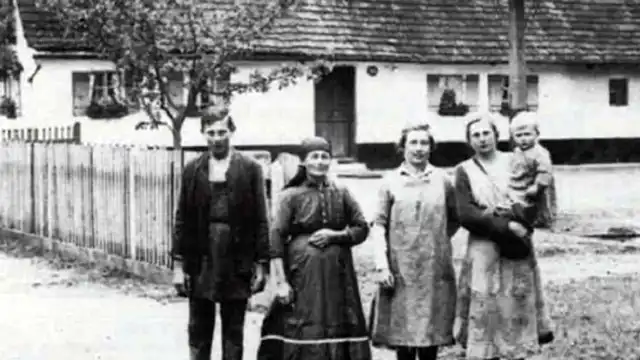
Who exactly lived at this secluded farm? Located about 70 kilometers north of Munich, Hinterkaifeck wasn’t a sprawling town. Rather, it was a standalone farmstead tucked tightly against the Bavarian woods. The household consisted of six people spanning three generations of the Gruber family.
- Andreas Gruber (63): The unpopular, notoriously grumpy patriarch of the family.
- Cäzilia Gruber (72): Andreas’s elderly wife.
- Viktoria Gabriel (35): Their widowed daughter, who helped run the farm.
- Cäzilia Gabriel (7): Viktoria’s young daughter.
- Josef Gabriel (2): Viktoria’s toddler son.
- Maria Baumgartner (44): The brand-new maid.
Tragically, Maria arrived on the exact day of the murders. Therefore, she walked straight into an inescapable death trap.
Furthermore, the Gruber family held incredibly dark secrets. Andreas and Viktoria had previously served prison time for an incestuous relationship. Due to this public scandal, the local villagers actively avoided the Grubers. Consequently, they lived entirely isolated from their community, making them the perfect targets for a predator.
The eerie timeline
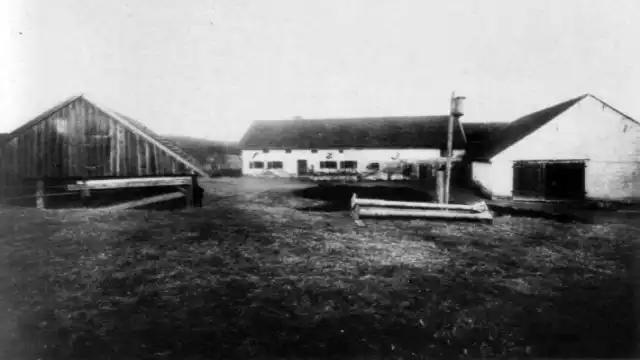
Things got creepy long before the actual attack. Specifically, the timeline leading up to March 31 reads like a masterclass in psychological terror.
The maid who ran away
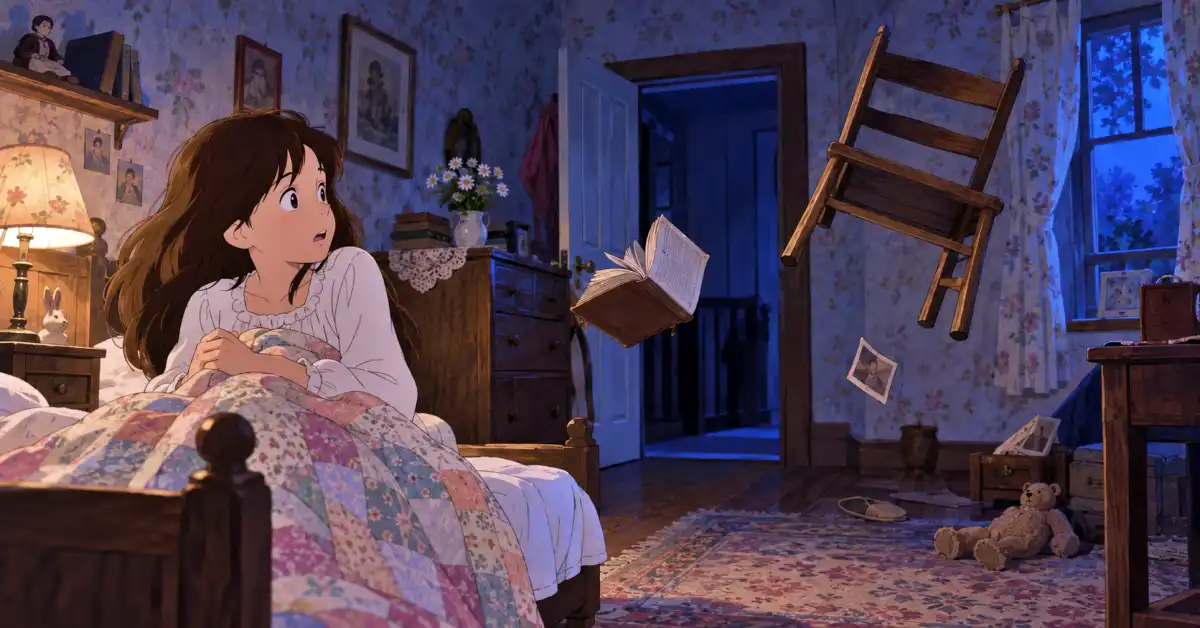
Six months prior to the murders, the family’s former maid packed her bags and fled in a panic. Why? She swore the farmhouse was violently haunted. Repeatedly, she heard heavy footsteps echoing from the attic and felt an ominous presence watching her. Naturally, Andreas dismissed her as crazy. However, she was entirely right to trust her gut.
Footprints in the snow
Fast forward to late February 1922. Andreas stumbled upon a deeply disturbing sight. Fresh footprints tracked out of the dark Bavarian forest. They cut through the thick snow, leading straight to the farm’s machine shed. Disturbingly, there were zero return tracks. The visitor had never left.
Missing items and strange noises
Soon after, things escalated from weird to terrifying. First, an unfamiliar Munich newspaper appeared on the kitchen table. Nobody in the family had purchased it. Next, a crucial set of house keys vanished into thin air. Furthermore, Andreas himself finally began hearing those heavy footsteps in the attic.
On March 30, Andreas visited the local market and told a neighbor about the footprints and missing keys. Consequently, the concerned neighbor offered him a gun for protection. Unbelievably, Andreas refused. He arrogantly assumed he could handle any trespassers. Ultimately, that stubborn pride cost his family everything.

What happened in the barn?
March 31, 1922, started like any normal Friday. Maria Baumgartner arrived for her first shift as the new maid. Later that evening, the nightmare officially began.
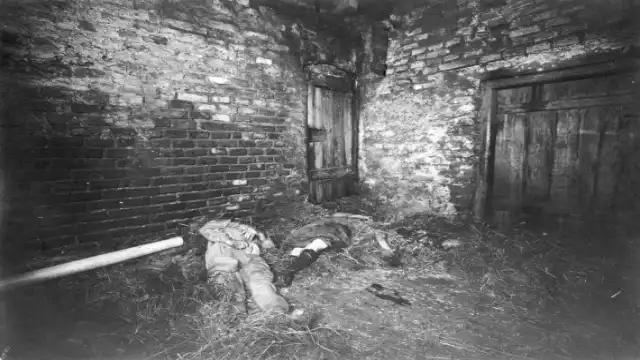
Someone systematically lured four members of the family out into the barn. One by one, Andreas, Cäzilia, Viktoria, and young Cäzilia stepped into the dark, freezing wooden structure. Waiting in the shadows was an attacker armed with a mattock — a heavy farming tool similar to a pickaxe. Brutally, the assailant struck each victim down, stacking their bloody bodies in the hay.
Then, the killer moved inside the main house. Walking into the maid’s bedroom, they crushed Maria’s skull. Finally, the attacker brutally murdered two-year-old Josef while he slept innocently in his cot.
The violence was entirely catastrophic. However, one specific detail stands out as truly gut-wrenching. Seven-year-old Cäzilia survived the initial blow. Evidence later showed she laid in the hay for hours, pulling clumps of her own hair out in sheer agony before finally passing away.
Most disturbing fact
Are you ready for the most unsettling fact of the entire Hinterkaifeck mystery? The perpetrator didn’t flee the scene. Instead, they made themselves incredibly comfortable.
For three solid days, the killer lived inside the farmhouse. They freely ate bread and meat from the family’s pantry. Furthermore, they kept the fireplace burning hot to stay warm against the winter chill. Unbelievably, the murderer even went out to the barn to feed the cattle. All the while, the mangled bodies of the Gruber family lay just yards away.
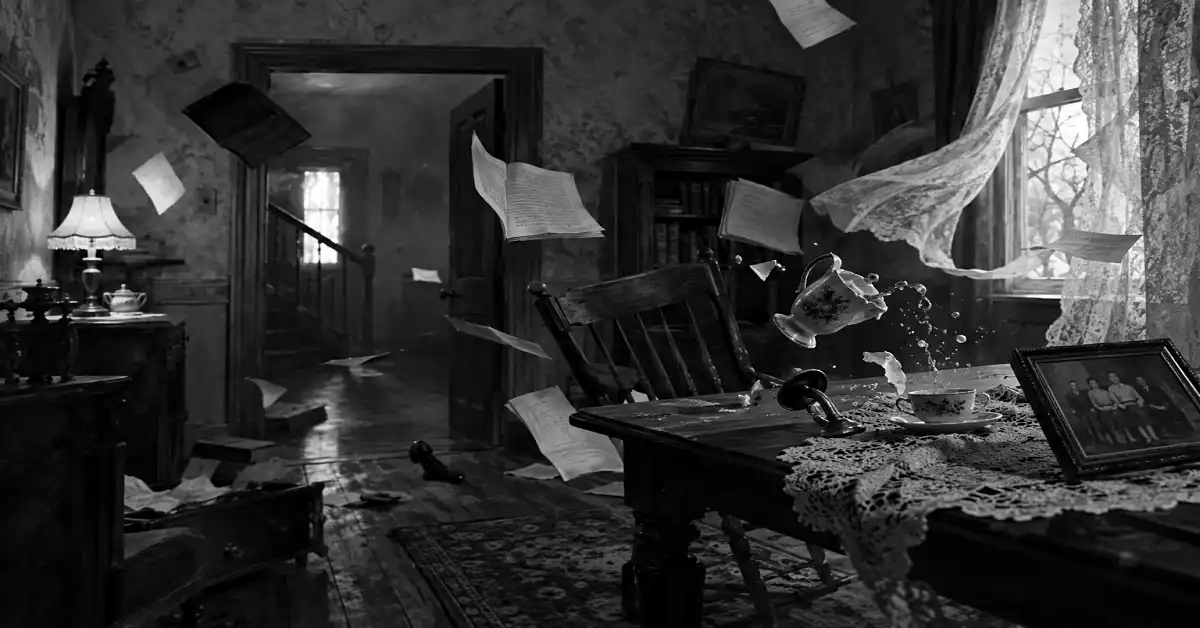
Who could possess that level of cold-blooded detachment? You don’t just slaughter six people and then stick around to milk the cows. Clearly, this points to an attacker who felt bizarrely entitled to the property.
Grisly discovery
By April 4, the local townspeople noticed the Grubers were totally missing. Young Cäzilia hadn’t shown up for school. Additionally, the entire family missed Sunday mass.
Lorenz Schlittenbauer, a neighboring farmer, organized a search party. Along with two other local men, he marched up to the silent farmstead. Upon opening the heavy barn doors, they made the gruesome discovery. Police were immediately summoned from Munich. Nevertheless, by the time investigators arrived, the crime scene was severely compromised. Well-meaning but clueless villagers had trampled through the snow, permanently destroying vital footprint evidence.
The autopsies were performed right in the barn by Dr. Johann Baptist Aumüller. Interestingly, he discovered the killer used both the blunt edge and the sharp blade of the mattock. Furthermore, the victims’ heads were removed and sent to Munich for examination by clairvoyants. Insanely, those skulls were later lost during the chaos of World War II. Therefore, the victims were buried headless in a local cemetery.
Prime suspects in the hinterkaifeck murders
Over 100 people were interviewed by police over the decades. Yet, the authorities never secured a single conviction. Let’s examine the three most compelling suspects in the Hinterkaifeck murders.
1. Lorenz Schlittenbauer
Schlittenbauer lived nearby and had a highly complicated history with Viktoria. Allegedly, they engaged in a romantic relationship, and many locals believed he was the true father of baby Josef.
Why is he a prime suspect? First, his behavior during the search was totally bizarre. He casually moved bodies around the barn, ignoring the other men’s horrified protests. Second, he knew his way around the confusing farm perfectly. Furthermore, the Grubers’ aggressive guard dog never barked at him. Did he finally snap after a bitter dispute over child support? Ultimately, police investigated him heavily but lacked the physical proof to arrest him.
2. Karl Gabriel

Viktoria’s husband, Karl Gabriel, reportedly died in a trench in France during World War I in 1914. However, his body was never officially identified or recovered. Consequently, wild rumors swirled that he survived the war, returned home secretly, and discovered his wife’s incestuous child.

Driven by uncontrollable rage, did Karl wipe out his entire family? Interestingly, several returning soldiers later claimed they saw Karl alive in Russia long after the murders. Still, no concrete historical evidence ever definitively placed him in Bavaria in 1922.
3. Paul Mueller
Author Bill James proposed a wild but fascinating theory in his true crime research. What if the Hinterkaifeck killer was actually Paul Mueller? Mueller was a German immigrant and the prime suspect in the infamous 1912 Villisca Axe Murders in the United States.
The crime scene similarities are genuinely striking. Mueller heavily targeted isolated families living near train tracks. Similarly, he always used the blunt edge of a farm tool to execute his victims. Moreover, he had a deeply creepy habit of lingering at the crime scene afterward. Did Mueller flee America and return to his home country to strike again? While intensely intriguing, this theory remains purely speculative.
Mystery remains unsolved
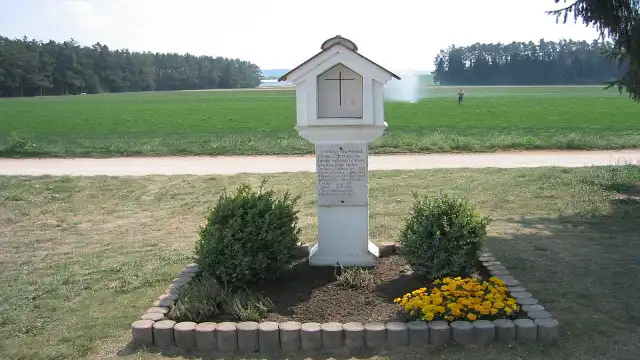
Why couldn’t seasoned investigators solve this case? Primarily, the early 1920s lacked modern forensic technology. DNA profiling did not exist. Fingerprinting was still in its infancy. Moreover, the local rural police massively bungled the initial crime scene containment.
Decades later, in 2007, the German Police Academy tasked a group of modern forensic students with reviewing the surviving case files. Using advanced behavioral analysis techniques, they hoped to finally close the book on Hinterkaifeck. Unfortunately, too much physical evidence had been lost to time. The students officially concluded that legally solving the crime is now impossible. However, they universally agreed on one primary suspect — though they kept the name permanently classified out of respect for the suspect’s living descendants.
Conclusion
The Hinterkaifeck murders represent the perfect, terrifying storm of rural isolation, dark family secrets, and pure evil. A century later, the mental image of those solitary footprints in the snow still creeps into our collective nightmares. Someone walked out of those dark woods, slaughtered an entire household with terrifying precision, and simply vanished into thin air.
Was it a jealous lover seeking revenge? A traumatized soldier returning from the dead? Or a wandering serial killer satisfying a bloodlust? We will likely never know the total truth.
What do you think really happened at Hinterkaifeck? Drop your best theory in the comments below! If you love diving deep into historical cold cases and unsolved mysteries, share this article with your fellow true crime enthusiasts. Let’s keep the investigation alive.
Reference:

