

The “Great Smog” of London: How 12,000 People Died from Fog in 1952
Imagine walking out your front door and not being able to see your own feet.
The air smells like rotten eggs. Your chest tightens. You cough, but the air you suck back in burns your throat. This wasn’t a scene from a dystopian movie—it was London in December 1952.
For five terrifying days, the British capital was strangled by a toxic blanket of yellow-black fog. It brought the city to a standstill. It turned day into night. And when the sky finally cleared, thousands were dead.
This is the story of the Great Smog of 1952—the worst air pollution disaster in British history.

The Perfect Storm: A Recipe for Disaster
Londoners were used to fog. They called it a “pea-souper” because of its thick, yellowish appearance. But what happened on December 5, 1952, was different. It was a perfect storm of bad weather, bad timing, and bad chemistry.
The Weather Trap
It started with a cold snap. Temperatures plummeted, so families shoveled more coal into their fireplaces to stay warm. Then, an anticyclone settled over the city.
Think of an anticyclone like a giant lid on a pot. It created a temperature inversion: a layer of warm air sat on top of a layer of cold, stagnant air near the ground. The smoke from millions of chimneys couldn’t rise. It just sat there, accumulating.
The “Nutty Slack” Problem
Here’s the kicker: Britain was still recovering from World War II. The government was exporting its high-quality hard coal to pay off war debts. That left Londoners burning “nutty slack”—a cheap, low-grade coal full of dust and sulfur.
When burned, this stuff didn’t just make smoke; it released massive amounts of sulfur dioxide.
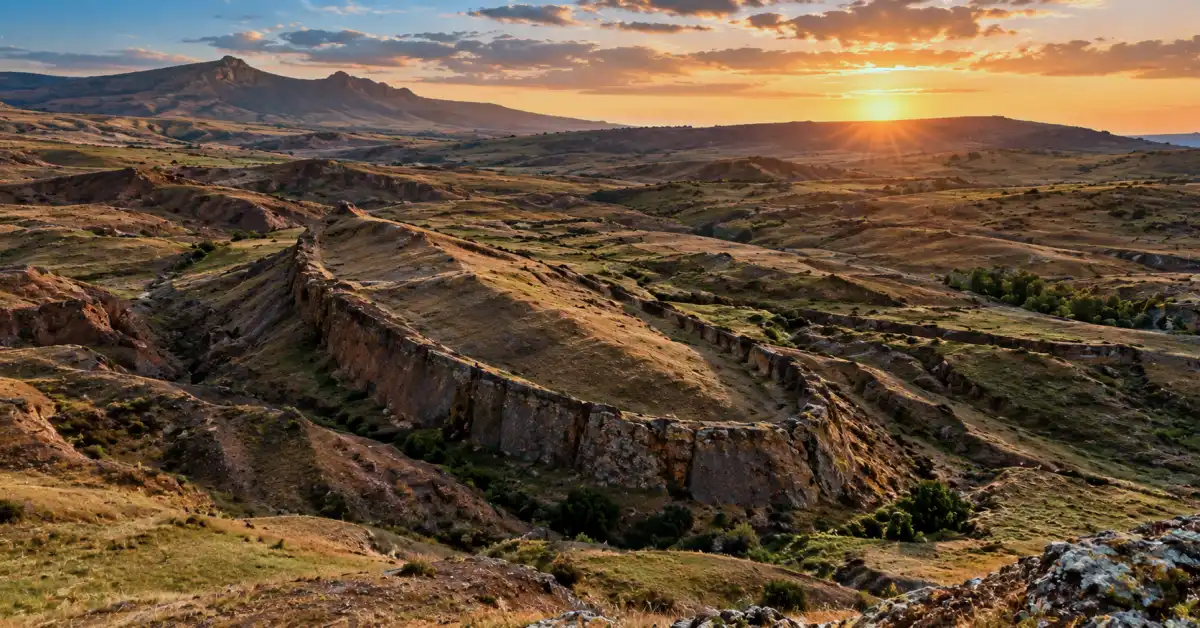
Combined with exhaust from factories and the diesel fumes from buses (which had recently replaced electric trams), London became a gas chamber.
A City Blinded
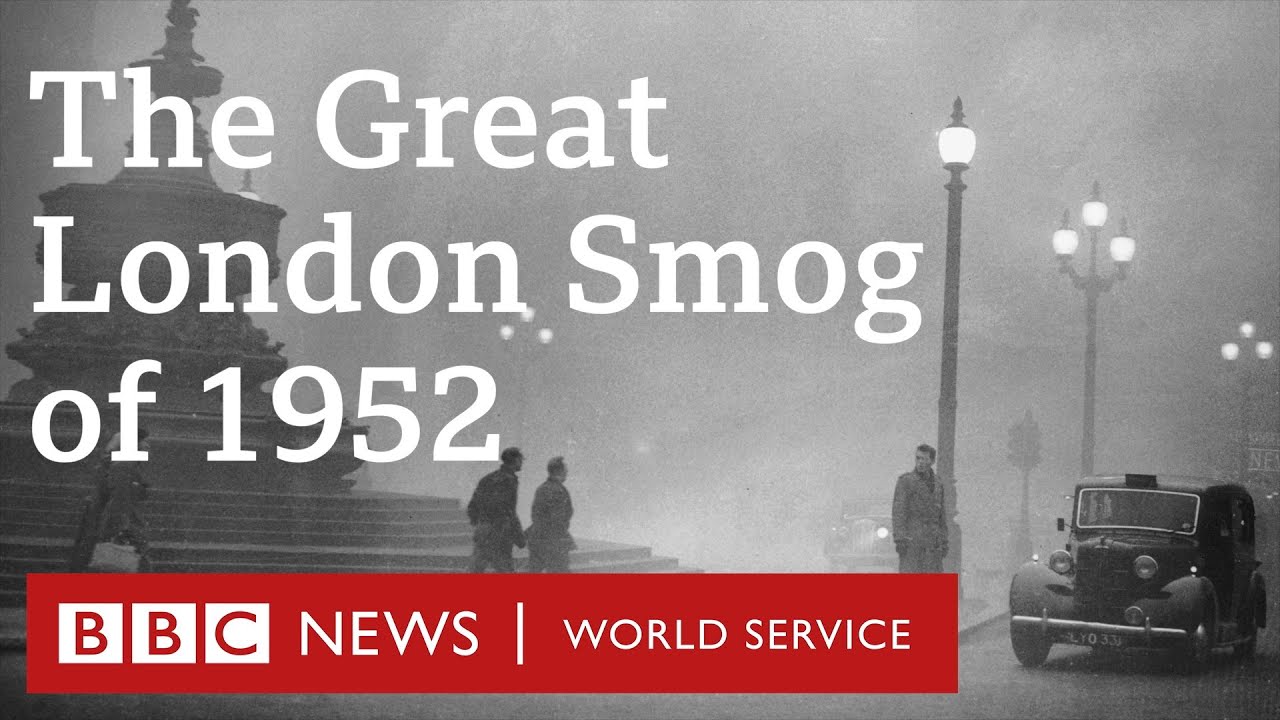
By Saturday, December 6, the visibility dropped to zero. Literally.
- Traffic Stopped: Buses were abandoned in the streets. Drivers couldn’t see the curb. The only thing moving on the roads were ambulances, creeping along at walking pace while someone walked in front holding a flare.
- Cinemas Closed: You couldn’t even escape into a movie theater. The smog seeped indoors, becoming so thick that audiences couldn’t see the screen.
- Crime Spiked: Looters took advantage of the blindness, smashing shop windows and vanishing into the gloom before police could react.
One survivor, Jenny Watson, was just a toddler at the time. She recalls the air looking “yellow and sulfuric and scary.” It wasn’t just fog; it was a chemical attack.
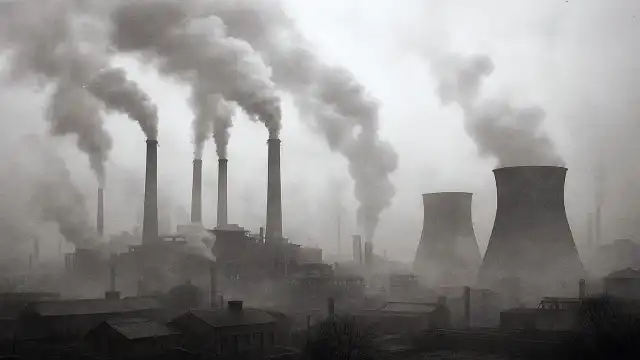
The Science: Why Was It Toxic?
Why did this fog kill people? It wasn’t just suffocation. It was chemistry.
Recent research has cracked the code. The sulfur dioxide (SO2) from the burning coal mixed with water vapor in the fog. But that’s not all. Nitrogen dioxide (NO2) from power plants acted as a catalyst.
The result? The fog droplets turned into sulfuric acid (H2SO4).
Londoners weren’t just breathing smoke. They were breathing concentrated acid. This acid burned the lining of their lungs, causing massive inflammation. It triggered asthma attacks, pneumonia, and heart failure.
The Silent Massacre
At first, no one realized the scale of the tragedy. There were no dramatic explosions. Just people—mostly the elderly, the very young, and those with respiratory issues—quietly gasping for air in their beds.
Undertakers started running out of coffins. Florists ran out of flowers.
The Numbers Game
The government initially claimed about 4,000 people died. It was a shocking number, but they tried to blame it on a flu epidemic to avoid political fallout.
However, modern researchers have looked back at the data. By comparing death rates from that year to normal years, the true toll is staggering. We now estimate that 12,000 people died as a direct result of the Great Smog.
Even the prize cattle at the Smithfield Show weren’t safe—cows choked to death or had to be euthanized because their lungs were destroyed.
The Turning Point: The Clean Air Act
You can’t hide 12,000 bodies. The disaster forced the British government to stop denying the link between coal smoke and death.
In 1956, Parliament passed the Clean Air Act.
This was a game-changer. It introduced “smoke control areas” where only smokeless fuels could be burnt. It offered grants to homeowners to convert their fireplaces to gas, oil, or electricity. It pushed power stations away from city centers.
It didn’t fix things overnight—there was another smaller smog in 1962—but it marked the beginning of modern environmental protection. It proved that the air we breathe is a public right, not a dumping ground.
Lessons for Today
It’s easy to look back at 1952 and think, “Glad that’s over.” But is it?
While London no longer looks like a scene from a Dickens novel, we face a new, invisible enemy. Today’s pollution isn’t sulfur from coal; it’s nitrogen dioxide and particulate matter (PM2.5) from cars and trucks.
According to the World Health Organization (WHO), air pollution still kills 7 million people globally every year.
The Great Smog taught us a brutal lesson: Economic shortcuts (like burning cheap coal) often have a human cost. It showed us that regulations like the Clean Air Act aren’t just red tape—they are life-savers.
Summary: Fast Facts
- Date: December 5–9, 1952.
- Location: London, UK.
- Cause: Temperature inversion trapping coal smoke.
- Death Toll: ~12,000 (Modern Estimate).
- Legacy: The Clean Air Act of 1956.
FAQs
What actually caused the Great Smog of 1952?
It was a deadly mix of nature and human error. A weather pattern called an anticyclone trapped stagnant air over London (a temperature inversion). At the same time, because it was freezing cold, Londoners were burning massive amounts of low-grade, sulfur-rich coal called “nutty slack.” The smoke couldn’t escape, so it mixed with fog to create a poisonous cloud of sulfuric acid.
How long did the Great Smog last?
The smog held the city hostage for five days, from December 5 to December 9, 1952. It only lifted when a fresh wind from the west finally swept the toxic air out to the North Sea.
Is the Great Smog depicted in The Crown accurate?
mostly, yes. Season 1, Episode 4 of Netflix’s The Crown (“Act of God”) dramatizes the event. While some political scenes are fictionalized for TV, the portrayal of the chaos, the zero visibility, and the overwhelming hospitals is historically accurate. Winston Churchill did initially downplay the crisis, just as the show suggests.
Did people really not know they were dying?
In many cases, yes. Unlike a sudden bomb or a fire, this was a “silent killer.” Many victims were elderly or already had breathing problems. They died in their sleep or in their armchairs from hypoxia (lack of oxygen) and heart failure caused by the inflamed lungs. Undertakers were the first to realize the true scale of the horror when they ran out of coffins.
Could a “Great Smog” happen again today?
In London? It’s unlikely to be that severe. The Clean Air Act of 1956 banned the burning of black coal in the city. However, cities in rapidly industrializing nations like India and China still face similar winter smog events today. The chemistry is the same; only the location has changed.
What do you think? Is your city doing enough to keep the air clean, or are we sleepwalking into another crisis? Share this article to remind people that clean air is a luxury we can’t afford to lose.
Sources: wikipedia.org, londonmuseum.org.uk

