

The Octopus Murders Explained: Inside Danny Casolaro’s Death and the Inslaw Conspiracy
Imagine stumbling onto a story so massive that it connects the highest levels of the U.S. government to international espionage, drug cartels, and stolen spy software. You tell your family that if you die in a suspicious accident, they shouldn’t believe the official story. Weeks later, police find your blood-soaked body in a cheap motel bathtub.
This is exactly what happened to freelance journalist Danny Casolaro in the summer of 1991.
His shocking death spawned a web of conspiracy theories that still captivate true crime fans today. Recently thrust back into the spotlight by the 2024 Netflix docuseries American Conspiracy: The Octopus Murders, the case blurs the line between paranoid delusion and terrifying reality. Did Casolaro uncover a sprawling secret cabal? Did the weight of his obsession drive him to take his own life?
into the Inslaw affair, the PROMIS software scandal, and the chilling mystery of the Octopus.
Key takeaways
- The Victim: Danny Casolaro was a 44-year-old freelance writer investigating a global shadow government he called “The Octopus.”
- The Scene: On August 10, 1991, maids found him dead in a Martinsburg, West Virginia, hotel bathtub with his wrists slashed. Police immediately ruled it a suicide.
- The Software: His investigation centered on PROMIS, a database software allegedly stolen by the U.S. Justice Department. Spies supposedly modified it with a secret backdoor to monitor foreign intelligence.
- The Connections: Casolaro linked the software theft to the Iran-Contra affair, the 1980 “October Surprise,” and massive international money laundering.
- The Docuseries: A four-part 2024 Netflix series directed by Zachary Treitz follows researcher Christian Hansen as he attempts to finish Casolaro’s work, highlighting the psychological danger of going down the rabbit hole.
Room 517
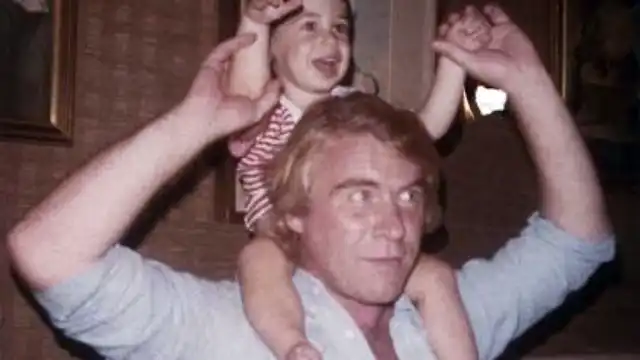
August 10, 1991. The Sheraton Hotel in Martinsburg, West Virginia.
Housekeeping staff entered Room 517 and walked into a nightmare. Casolaro lay dead in a bathtub filled with bloody water. Somebody had slashed his wrists between 10 and 12 times. The cuts were brutally deep, severing the tendons entirely.
Local police took one look at the locked door and the bloody razor blades. They quickly ruled the death a suicide. But red flags popped up almost immediately.
Casolaro was notoriously squeamish. He hated the sight of blood and actively avoided needles. His family found it completely absurd that a man terrified of blood tests would choose such a gruesome, agonizing method to end his life. Adding to the suspicion, authorities embalmed his body before notifying his family. That hasty procedure destroyed crucial tissue evidence, making a thorough independent autopsy nearly impossible.
Before leaving for Martinsburg, Casolaro had warned his brother Tony. He claimed he was receiving late-night threatening phone calls. He explicitly stated that if an “accident” happened on his trip, it wouldn’t be an accident. He was in West Virginia to meet a highly placed source who supposedly held the final puzzle piece for his explosive book.
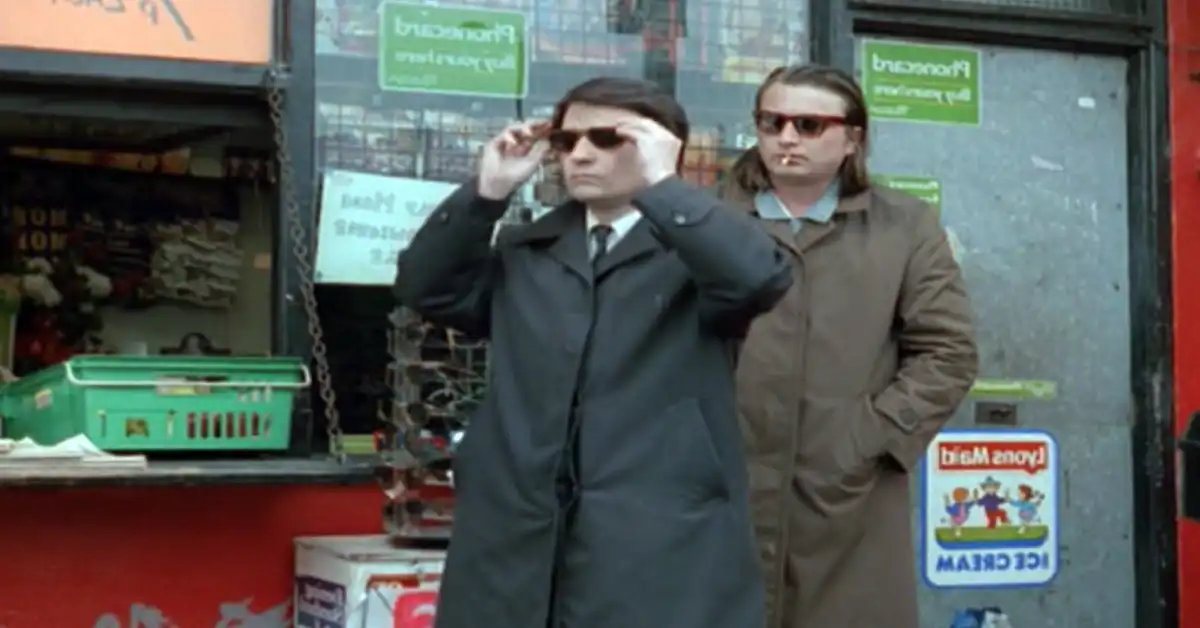
Instead of securing a publishing deal, he ended up in a body bag.
What Exactly Was “The Octopus”?
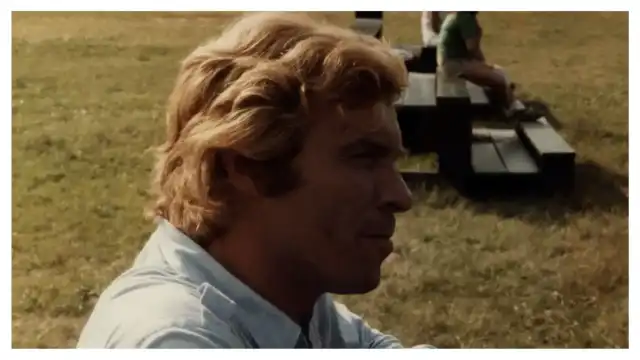
To understand why someone might want a freelance writer dead, you have to look at what he was writing.
Casolaro believed he had uncovered a rogue intelligence network. He dubbed them “The Octopus.” This cabal supposedly consisted of eight powerful men, mostly former intelligence officers, who operated entirely outside the law.
According to his notes, these men leveraged their government contacts and criminal underworld ties to orchestrate monumental events. Casolaro believed this single group pulled the strings behind the Iran-Contra arms smuggling scandal. He also tied them to the collapse of the Bank of Credit and Commerce International (BCCI), a massive global money-laundering hub.
His most explosive claim? The 1980 “October Surprise.” Casolaro theorized that Ronald Reagan’s presidential campaign secretly negotiated with Iran to delay the release of American hostages until after the election. Doing so ensured Jimmy Carter’s defeat.
Connecting these massive historical events required a central thread. For Casolaro, that thread was a piece of stolen computer code.
The Inslaw Affair and the PROMIS Software
The foundation of the Octopus theory rests on a real, documented legal battle known as the Inslaw affair.
In the early 1980s, a Washington D.C.-based tech company named Inslaw created a revolutionary program called PROMIS (Prosecutor’s Management Information System). It was originally designed for law enforcement to track criminal cases and manage massive databases.
The U.S. Department of Justice (DOJ) signed a contract to use it. Shortly after, Inslaw accused the DOJ of stealing the software and refusing to pay millions of dollars in licensing fees. Inslaw actually won their initial lawsuit, with a federal bankruptcy judge ruling that the DOJ took the software through “trickery, fraud and deceit.”
But Casolaro looked deeper. He suspected the software theft wasn’t just about unpaid bills.
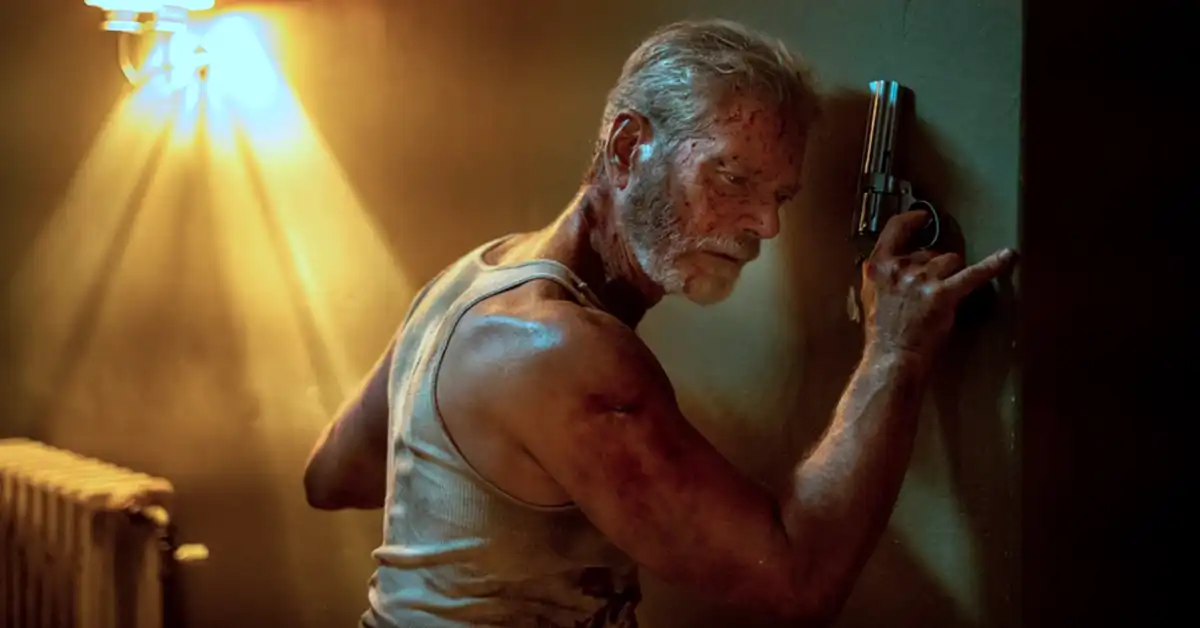
He met a man named Michael Riconosciuto. Riconosciuto was a brilliant, eccentric computer expert who claimed to have deep ties to covert intelligence operations. He told Casolaro a wild story. Riconosciuto alleged that he had been hired to modify the stolen PROMIS software.
His job? Install a secret “backdoor” into the code.
The United States then allegedly sold this compromised software to intelligence agencies and banks around the world, including both allies and enemies. Buyers thought they were getting a secure database system. In reality, the U.S. government could secretly read every single file they uploaded.
Shortly after speaking to Casolaro, authorities arrested Riconosciuto on drug charges. He vehemently claimed the government framed him to keep him quiet.
The Octopus Timeline
- 1982: The PROMIS Contract – Inslaw, a software company founded by Bill and Nancy Hamilton, signs a $9.6 million contract with the U.S. Department of Justice (DOJ) to implement their revolutionary case-tracking software known as PROMIS.
- 1983 – 1985: The Dispute Begins – The DOJ allegedly withholds payments to Inslaw while continuing to distribute PROMIS internally. Due to the financial strain, Inslaw is forced to file for Chapter 11 bankruptcy in 1985.
- 1988: Inslaw Wins in Court – A federal bankruptcy judge rules in favor of Inslaw, stating that the DOJ stole the PROMIS software through “trickery, fraud, and deceit.” (This decision was later overturned on technical, jurisdictional grounds).
- 1990: Casolaro Starts Digging – Freelance journalist Danny Casolaro begins investigating the Inslaw case. He connects the software dispute to a wider web of intelligence operations, believing he has uncovered a global shadow government he names “The Octopus.”
- Early 1991: The Riconosciuto Claims – Computer expert Michael Riconosciuto tells Casolaro he was hired by intelligence operatives to install a secret “backdoor” into PROMIS. This allowed the U.S. to sell the software to foreign governments and banks while secretly spying on them. Shortly after making these claims to investigators, Riconosciuto is arrested on drug charges.
- August 1991: The Final Trip – Casolaro tells friends and family he is traveling to Martinsburg, West Virginia, to meet a highly placed source who will provide the final, explosive evidence for his book. He ominously warns his brother not to believe it if he dies in an “accident.”
- August 10, 1991: Room 517 – Casolaro is found dead in the bathtub of his Martinsburg hotel room, his wrists slashed over a dozen times. Police quickly rule it a suicide. However, an accordion file containing his most sensitive research notes is missing from the room.
- 1992: The Bua Report – A special investigation commissioned by the DOJ (led by former judge Nicholas Bua) concludes that there is no evidence of an “Octopus” conspiracy or DOJ misconduct regarding PROMIS, and affirms that Casolaro’s death was a suicide.
- February 2024: The Case Reopens – Netflix releases the four-part docuseries American Conspiracy: The Octopus Murders. The series follows researcher Christian Hansen and director Zachary Treitz as they retrace Casolaro’s steps, bringing the 30-year-old mystery back into the global spotlight.
The 2024 Netflix Docuseries: Reopening the Case

For decades, Casolaro’s death lived primarily on fringe message boards and true crime blogs. That changed when Netflix dropped American Conspiracy: The Octopus Murders in early 2024.
Director Zachary Treitz and researcher Christian Hansen spent years digging through Casolaro’s abandoned files. Hansen practically morphed into Casolaro, tracking down the same shadowy informants and government operatives the journalist interviewed 30 years prior.
The documentary does two things brilliantly. First, it lays out the terrifying plausibility of the PROMIS software theft. We now know that governments routinely spy on each other using compromised tech. In 1991, that sounded like science fiction. Today, it sounds like the morning news.
Second, the series serves as a massive cautionary tale.
Viewers watch Hansen slowly lose his grip as he plunges further down the rabbit hole. Conspiracy theories act like a virus. Once you start believing that a shadow group controls everything, every coincidence looks like a clue. Every flat tire looks like sabotage. Every suicide looks like a murder.

The film highlights the sheer psychological danger of dedicating your life to uncovering secrets guarded by ruthless people.
Murder or Suicide? Final Verdict
So, did the Octopus kill Danny Casolaro?
Those who believe it was a hit point to the missing evidence. When police found his body, a crucial accordion file filled with his most sensitive notes was completely gone. His briefcase was empty. If he simply wanted to end his life, why would he destroy the research he spent years obsessing over?
Skeptics offer a much more tragic explanation.
Casolaro was severely in debt. He had taken out a second mortgage on his home to fund his investigation. Just days before his death, publishers rejected his book pitch. They told him his manuscript was a chaotic mess lacking concrete proof.
Facing financial ruin, public embarrassment, and the realization that his grand theory might just be a collection of unrelated crimes, he may have suffered a total mental collapse. The sheer brutality of the wrist slashes could be read as the desperate act of a man whose life had unraveled.
As Zachary Treitz notes in the documentary, the case is essentially a Rorschach test. Look at the bloody hotel bathroom, and you will see exactly what you want to see.
If you trust the government, you see a tragic suicide fueled by financial despair. If you harbor any distrust toward the intelligence community, you see a calculated assassination wrapped in a sloppy cover-up.
Danny Casolaro sought the ultimate truth. Sadly, his quest ended in a room in West Virginia, leaving behind a puzzle that may never be fully solved.
What do you think really happened in Room 517? Was Casolaro silenced by a shadow government, or did the weight of the investigation break him? Sound off in the comments below!

