

Getting around Paris by train should feel like effortless sightseeing, not a high-stakes guessing game. yet thousands of tourists walk right into hefty fines every single week simply because they confused a Metro line with an RER train or tossed a paper ticket too early. this complete survival guide breaks down the network, modern fares, and simple habits that keep your travel budget safe from ticket inspectors.
Paris Metro vs RER
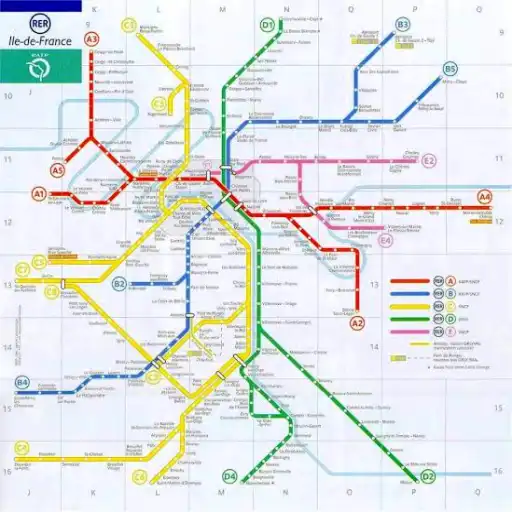
Paris relies on two separate rail systems that interlink seamlessly on maps: the Metro and the RER (Réseau Express Régional). Knowing how they differ is your best defense against getting stranded or fined.
The Paris Metro (Numbered Lines 1–14)
The Metro is the dense underground web running beneath the historic core.

- How it looks: Stations appear every 400 to 500 meters, marked by iconic Art Nouveau arches or glowing red “M” signs.
- Speed and stops: Trains stop frequently, making trips across the central city easy and quick.
- Coverage: All 14 numbered lines operate as a single unified urban network. If you stay within the city boundaries, you will use the Metro for the vast majority of your sightseeing.
The RER (Lettered Lines A, B, C, D, E)
The RER consists of large, multi-level commuter trains that cut directly across central Paris and extend deep into distant suburbs.
- How it looks: RER platforms are cavernous, featuring massive double-decker trains designeted by letters (like RER A or RER B) and four-letter mission codes on overhead screens.
- Speed and stops: Trains skip local neighborhood stops inside the city center, acting like an underground express train between major transit hubs like Châtelet–Les Halles, Gare du Nord, and Charles de Gaulle–Étoile.
- Coverage: Outside the city ring, RER tracks branch toward major tourist hubs, including the Palace of Versailles (RER C), Disneyland Paris (RER A), and Charles de Gaulle Airport (RER B).
Metro vs RER comparison
| Feature | Paris Metro | Paris RER |
| Line Naming | Numbers (1 to 14) | Letters (A, B, C, D, E) |
| Train Style | Single-level subway carriages | Heavy, often double-decker commuter trains |
| Stop Spacing | Short (every 1–2 minutes) | Express in central Paris, wide spacing in suburbs |
| Exit Turnstiles | Push-doors open freely (no scan needed) | Must scan ticket/pass to exit turnstiles |
| Key Destinations | Louvre, Eiffel Tower, Montmartre | Disneyland, Versailles, CDG Airport |

Paris transport zones explained for tourists
Historically, Paris was divided into five concentric transit rings. Zone 1 covers the inner city within the Périphérique ring road, while Zones 2 through 5 stretch outward toward outer suburbs and airports.
The fare reforms introduced by Île-de-France Mobilités greatly simplified everyday travel by establishing unified regional fares, eliminating old zone-calculating headaches for standard trips:

- All Metro Stations are Equal: Every standard Metro station falls under the same flat fare, even if a line’s terminus technically crosses the city perimeter into Zone 2 or 3 (such as La Défense on Line 1).
- Simplified Regional Rail Ticket: Occasional travelers can use a single Metro-Train-RER ticket (€2.50 to 2.55) across the entire Île-de-France rail network — including suburban trips to Disneyland Paris (Zone 5) or Versailles (Zone 4).
- The Airport Exception: Airports remain the major pricing exception. Regular flat-fare tickets do not cover transfers to Roissy-Charles de Gaulle Airport (RER B) or Orly Airport (Metro Line 14 / OrlyBus). Airport journeys require the dedicated Paris Region <> Airport Ticket (€13 to €14).
Navigo easy pass vs Paper tickets
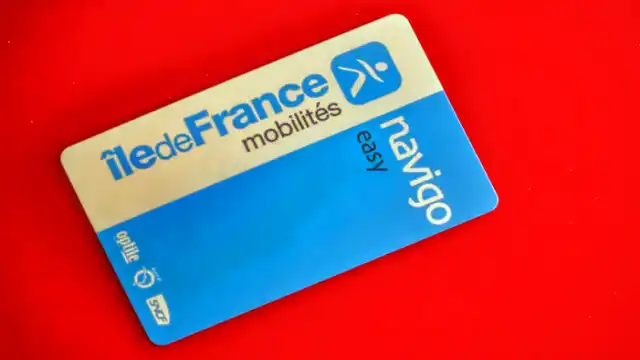
Traditional cardboard tickets with brown magnetic strips have been phased out across Paris in favor of digital and contactless payment options.
Navigo easy card
- Cost: €2.00 one-time fee to purchase the physical blue-and-white card at any station ticket counter or vending machine.
- How it works: You reload the card with individual Metro-Train-RER tickets, Bus-Tram tickets, or day passes.
- Crucial rule: One card per traveler.You cannot tap a single Navigo Easy card multiple times at the turnstile to let a travel partner through. Every person in your group requires their own card or device.
Smartphone ticketing (Apple Wallet & Android)
- You can load digital tickets directly onto NFC-enabled smartphones through Apple Wallet, Google Wallet, or official apps like Bonjour RATP and ÎdFM.
- You tap your phone at the reader just like a plastic card, even if the device is on low-battery mode in many newer models.
Why suburban RER trips trigger the most fines
The biggest trap for visitors happens on the RER.
Because the RER shares several underground stations with the Metro in central Paris, boarding one by accident without the correct fare is remarkably easy.

- The Missing Exit Ticket: On the Metro, you push open exit turnstiles without scanning. On the RER, exit barriers require you to insert or tap a valid ticket to open. If you discarded your ticket on the train or entered on the wrong fare, you are physically trapped at the gate.
- The Airport Ambush: Tourists frequently board the RER B to Charles de Gaulle Airport using a standard €2.50 ticket.When you arrive at the airport terminal gates, the turnstiles will reject your standard ticket. Uniformed RATP/SNCF inspectors (contrôleurs) wait directly beside the exit gates and issue immediate on-the-spot fines starting at €35 to €50+ per person (rising to over €100 if unpaid immediately).
How to avoid paris metro ticket fines: 7 essential rules
Contrôleurs work in teams, wearing dark green or navy uniforms (and occasionally plain clothes with armbands). They show zero leniency to tourists claiming honest confusion.
Follow these seven non-negotiable rules to keep your trip stress-free:
- Keep tickets until you hit the street: Never crumple or toss a paper ticket or close out your journey on your phone until you have walked completely out of the station exits. Inspectors frequently set up inspection checkpoints in the middle of pedestrian transfer tunnels.
- Buy the dedicated Airport Ticket for CDG and Orly: If your itinerary includes flights out of Paris, purchase the specific Paris Region <> Airports fare (€13–€14) before boarding.
- Validate every connection: When switching between the Metro and the RER via underground corridors (correspondances), you must tap your pass or insert your ticket at the internal interchange gates.
- Mind the bus-to-rail transfer barrier: Single tickets do not permit free transfers between underground rail (Metro/RER) and surface transport (Buses/Trams). Switching from a train to a bus requires validating a fresh Bus-Tram ticket (€2.00) unless you hold an unlimited day/week pass.
- Sign and photo your weekly passes: If you buy a physical Navigo Découverte weekly pass or paper Paris Visite pass, write your full name and stick your passport-style photograph onto the card insert immediately. Traveling with an unpersonalized pass carries the same penalty as traveling without a ticket.
- Never tailgate through barriers: Pushing through behind another passenger or jumping over waist-high turnstiles triggers instant fines and security interception.
- Pay on the spot if stopped: If you make an honest error and get caught, remain calm and polite. Paying the inspector immediately via credit card reduces the fine significantly compared to receiving a mailed citation.
Tourist destination ticket cheat sheet
| Destination | Line to Take | Required Ticket Type |
| Eiffel Tower / Louvre / Marais | Metro Lines 1, 8, 9, etc. | Standard Metro-Train-RER Ticket (€2.50) |
| Palace of Versailles | RER C (Versailles Château Rive Gauche) | Standard Metro-Train-RER Ticket (€2.50) |
| Disneyland Paris | RER A (Marne-la-Vallée Chessy) | Standard Metro-Train-RER Ticket (€2.50) |
| Charles de Gaulle Airport (CDG) | RER B (Aéroport CDG 1 or 2) | Paris Region <> Airports Ticket (€13–€14) |
| Paris-Orly Airport (ORY) | Metro Line 14 (Aéroport d’Orly) | Paris Region <> Airports Ticket (€13–€14) |
Always double-check overhead departure boards on RER platforms before stepping onto a train. By keeping your tickets accessible and picking the right fare for airport runs, you will navigate Paris like a seasoned local while keeping your travel budget intact.

