

Walpurgisnacht: The European Night of Witches and Its Modern Roots
Key Takeaways:
- The Date: Walpurgisnacht happens every year on the night of April 30th.
- The Mashup: It blends ancient pagan spring fire rituals with the feast day of a Christian nun, Saint Walpurga.
- The Hotspot: The Brocken, a foggy mountain in Germany, is the legendary gathering place for European witches.
- The Modern Vibe: Today, people celebrate by lighting massive bonfires, dressing in costumes, and singing spring songs across Germany, Sweden, and Finland.
Have you ever wondered what happens when ancient pagan rituals crash head-on into medieval Christian folklore? Well, you get a massive party. Specifically, you get Walpurgisnacht. Welcome to Europe’s legendary night of witches.
First, let us define this event clearly. Simply put, it is a traditional festival marking the transition from winter to spring. Usually, it kicks off at sundown on April 30th. Subsequently, the lively festivities bleed right into May 1st. In fact, rural communities have celebrated this exact night for hundreds of years. Does it sound suspiciously like Halloween? Somewhat. However, this holiday is entirely focused on welcoming life, not honoring the dead.
Saint Walpurga
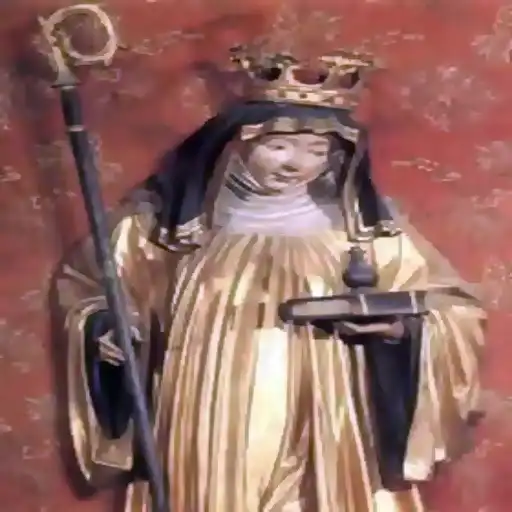
Who exactly was Saint Walpurga? Naturally, you might picture a powerful, spell-casting sorceress. Actually, she was a deeply religious English nun.
Born around 710 AD in Devon, England, she eventually left her quiet home. Consequently, she traveled across the sea to Francia, which is modern-day Germany. Her primary mission was to spread Christianity. Therefore, she worked alongside her famous uncle, Saint Boniface, to convert the local pagan tribes.
Later, she founded a highly influential double monastery in Heidenheim. This unique setup meant it housed both monks and nuns. For a woman living in the 700s, holding this much leadership was massive. Tragically, she passed away in 779 AD.
So, how did a devout nun get tangled up with witches?
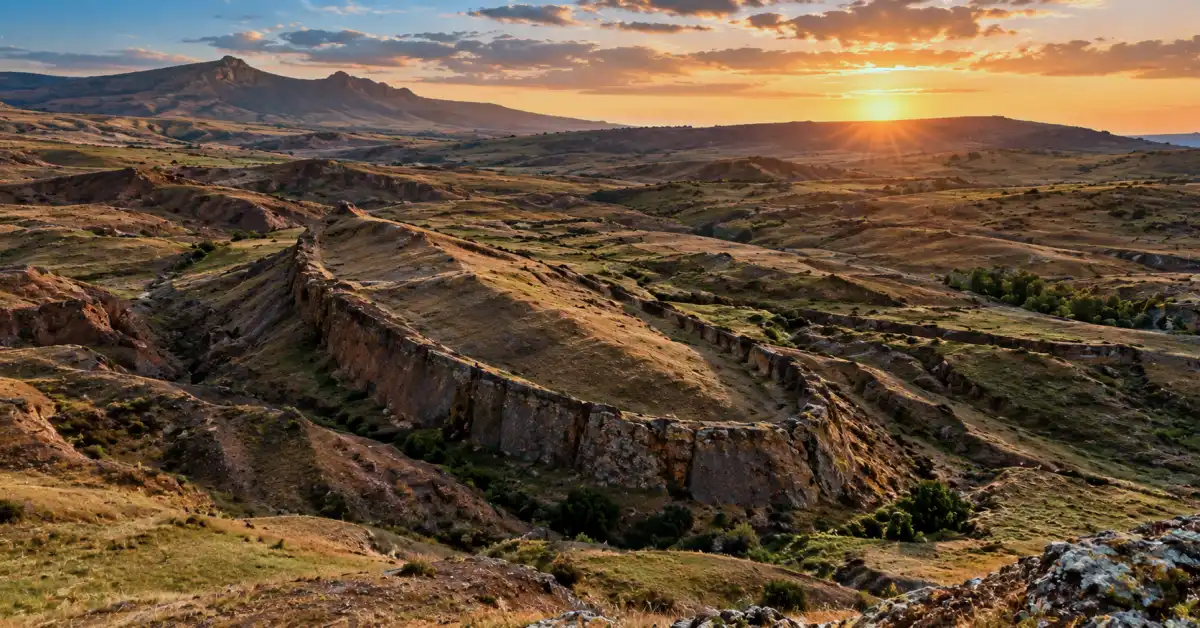
Years after her death, church officials moved her remains to the town of Eichstätt. Historically, this transfer happened on May 1st. Thus, the Catholic Church officially declared May 1st as her feast day. As workers moved her bones, a mysterious liquid seeped from the surrounding rock. They called it Walburgisöl (Walpurga’s oil). Astoundingly, sick locals claimed this oil miraculously healed their illnesses. Because of these alleged miracles, people began praying to her for protection.
Specifically, they prayed to her to ward off dark magic, disease, and witches. Ironically, the woman invoked to fight witches eventually became the namesake for the biggest witch party in the world. Fascinating, right?
Pagan Bonfires to Spring Bashes
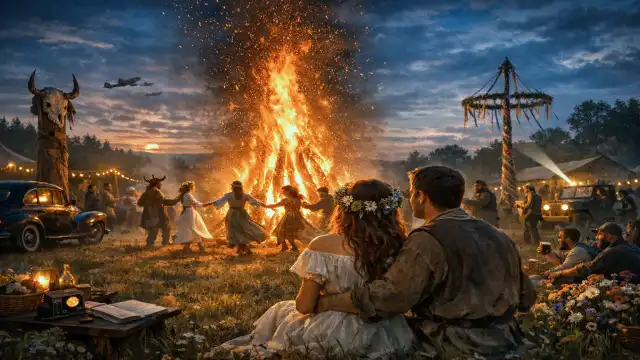
Before the English nun ever arrived, the Germanic and Celtic tribes already threw massive parties on April 30th. They did not care about saints. Instead, they cared about surviving the cold.
Winter in Northern Europe was notoriously harsh. Therefore, making it to spring alive was a monumental deal. Consequently, ancient villagers built giant bonfires on high hills. The fire served a very practical dual purpose. First, the heat theoretically burned away the lingering winter frost. Second, the bright light scared off evil spirits.
Interestingly, these ancient pagans believed the veil between the physical world and the spirit realm thinned during this seasonal shift. Therefore, ghosts, demons, and dark entities roamed freely. As a result, villagers made a tremendous amount of noise to stay safe. They banged heavy pots. In addition, they cracked leather whips in the streets. Ultimately, they just wanted to frighten the bad spirits away.
Over time, the Christian Church realized they could not stop the locals from lighting fires. Therefore, they simply merged the pagan fire festival with Saint Walpurga’s feast day. Boom. A hybrid holiday was officially born.
The Beltane Connection
Speaking of ancient fires, we must quickly mention Beltane. Over in the British Isles, the Celts threw a nearly identical party. Beltane falls on the exact same date as Walpurgisnacht.
Coincidence? Absolutely not. Across ancient Europe, the midpoint between the spring equinox and the summer solstice was crucial for agriculture. Farmers planted their fresh crops. Meanwhile, shepherds moved their sheep out to summer pastures. Therefore, everyone desperately needed good weather and fertile soil.
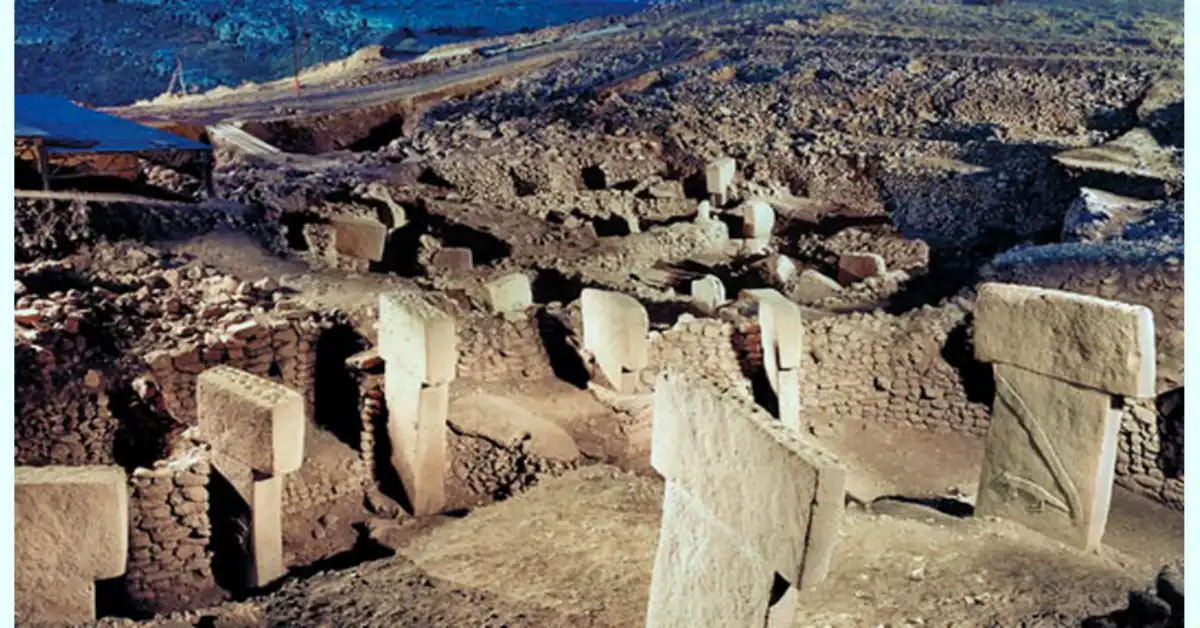
Consequently, both festivals heavily featured fertility rites. The classic Maypole is a perfect example. First, you grab a tall wooden pole. Next, you decorate it with colorful ribbons. Then, villagers dance around it in a circle. Clearly, it is a giant symbol of fertility and new life. Even today, Maypole dancing remains a staple of Walpurgis celebrations.
The Brocken Mountain
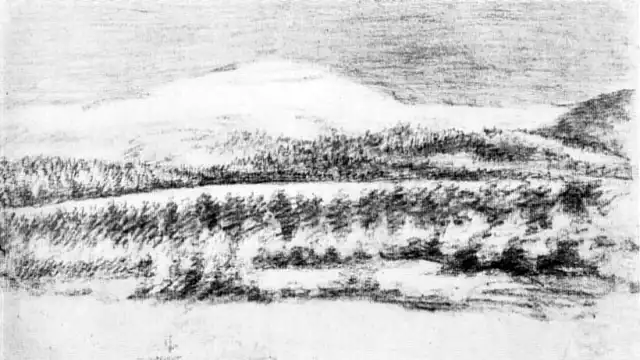
Now, let us travel to the legendary Brocken. This imposing mountain sits squarely in the Harz region of Northern Germany. Geographically, it is the highest peak in that specific mountain range. However, it is mostly famous for its absolutely terrible weather.
In fact, thick fog covers the rocky summit for roughly 300 days a year. Because of this eerie climate, early locals constantly witnessed a creepy optical illusion. Scientists officially call it the Brocken spectre. Basically, the sun casts a hiker’s shadow directly onto the dense mist. Consequently, the shadow magnifies and looks like a giant, glowing ghost hovering in the sky. Naturally, the terrified ancient locals thought these glowing figures were actual witches.
Enter Johann Wolfgang von Goethe. He is basically the German equivalent of William Shakespeare. In 1808, he published a famous tragedy called Faust. Inside this literary masterpiece, he included a wild, chaotic scene. He literally titled it “Walpurgis Night.”
During this iconic scene, a demon takes the main character up to the Brocken. There, they quietly watch a massive coven of witches throwing a wild party. Goethe painted a vivid picture. He described hags riding on flying sows. Furthermore, he wrote about glowing red fires and chaotic dancing.
Because of this single piece of brilliant literature, the mountain’s cultural reputation exploded. Suddenly, all of Europe linked the Brocken to dark magic. Eventually, clever locals realized they could capitalize on the fame. Consequently, they started hosting actual parties to attract wealthy tourists. Indeed, modern Walpurgisnacht is partly a brilliant 19th-century tourist trap!
How Europe Celebrates Today
So, how do normal people celebrate Walpurgisnacht in the modern era? Obviously, nobody is sacrificing farm animals anymore. Instead, they throw massive, family-friendly community events. Let us break down a few incredible regional traditions.
1. Germany: Witches and Dance Floors
In Germany, the Harz mountains remain the absolute epicenter of the holiday. For instance, quaint towns like Thale and Wernigerode host massive, multi-day festivals. Thousands of excited tourists gather together.
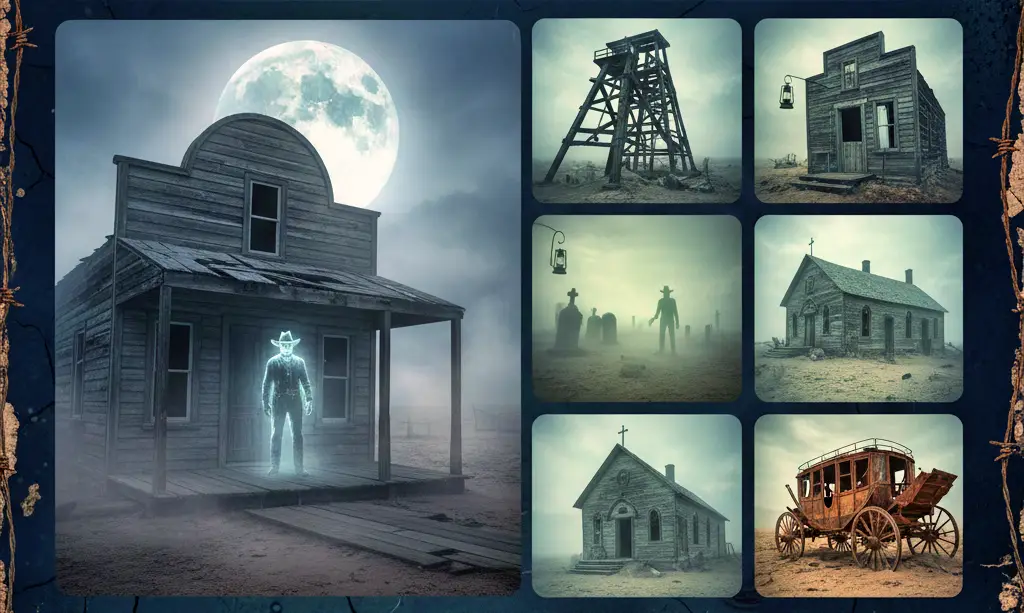
- The Costumes: People dress up as ugly witches and scary demons. They paint their faces green. Additionally, they wear ragged clothes and carry straw brooms.
- The Witches’ Dance Floor: Tourists hike up to a plateau called the Hexentanzplatz. Here, they dance around huge communal bonfires.
- Tanz in den Mai: Meanwhile, the rest of the country celebrates “Dance into May.” Basically, it is a giant nationwide club night. People hit the dance floors to joyfully welcome the new month.
2. Sweden: Choirs and White Caps
Moving further north, Sweden puts its own unique spin on the night. They proudly call it Valborg. Here, the overall vibe is slightly different. Yes, they still light giant bonfires in public parks. However, the focus dramatically shifts to community bonding and choral singing.
- Spring Songs: Local community choirs gather around the warm flames. They sing traditional melodies to welcome the sun. Consequently, the atmosphere feels quite peaceful and nostalgic.
- Student Life: Furthermore, university students go absolutely wild. In historic towns like Uppsala, students don traditional white sailor caps. Afterward, they eat pickled herring, drink strong schnapps, and party until dawn.
3. Finland: Funnel Cakes and Mead
Similarly, Finland throws a truly legendary street party. They call their festival Vappu. Interestingly, it is genuinely one of the biggest public holidays of the Finnish year. Initially, it started as a humble pagan spring festival. Later, it slowly transformed into a workers’ rights celebration. Today, it is mostly an excuse for a massive student carnival.
- Sweet Treats: People consume heavily. Specifically, they drink a special fermented lemon mead called sima. Additionally, they eat tippaleipä, which are deliciously sweet funnel cakes.
- City Picnics: The city streets fill with colorful balloons, loud whistles, and sprawling picnic blankets. Rain or shine, the Finns celebrate outside.
Why This Ancient Night Still Matters
Why do we still care about a medieval witch night in the 21st century? Honestly, it comes down to two vital reasons.
First, human beings deeply crave community. Modern digital life is incredibly isolating. Therefore, gathering around a crackling fire with your neighbors feels profoundly human. It instantly connects us to the primal roots of our ancestors.
Second, the cultural concept of the “witch” has dramatically changed. Historically, calling a woman a witch was a literal death sentence. Authorities used the label as a brutal tool for oppression. However, times have shifted drastically. During the late 20th century, modern feminist movements boldly reclaimed the symbol.
Today, the witch represents unapologetic female empowerment. She stands for fierce independence. She embodies a raw connection to nature. Consequently, dressing up as a witch on April 30th is no longer scary or evil. Instead, it is a joyful celebration of rebellion. It is a playful nod to the wild, untamed side living inside all of us.
Practical Tips for Visiting
Want to experience the magic yourself? Frankly, you absolutely should. Traveling to the Harz Mountains during this festival is unforgettable. If you plan a trip, keep these quick tips in mind:
- Book early: Cozy hotels in Wernigerode sell out months in advance. Therefore, secure your room by January.
- Pack layers: The Brocken mountain is famously freezing. Even in late April, sudden snow is highly possible. Consequently, a windproof jacket is mandatory.
- Ride the steam train: The Brocken Railway is a historic narrow-gauge steam train. It chugs right up the foggy mountain. Honestly, it feels exactly like riding the Hogwarts Express.
Are You Ready for Spring?
What do you think about this wild ancient tradition? Will you book a flight to the foggy Harz Mountains next spring to dance around the bonfire? Drop a comment below and let us know your thoughts. Do not forget to share this guide with your favorite travel buddy. Stay wild, and happy spring!

