

The Isabella Stewart Gardner Museum Heist: Inside the Largest Art Heist in History
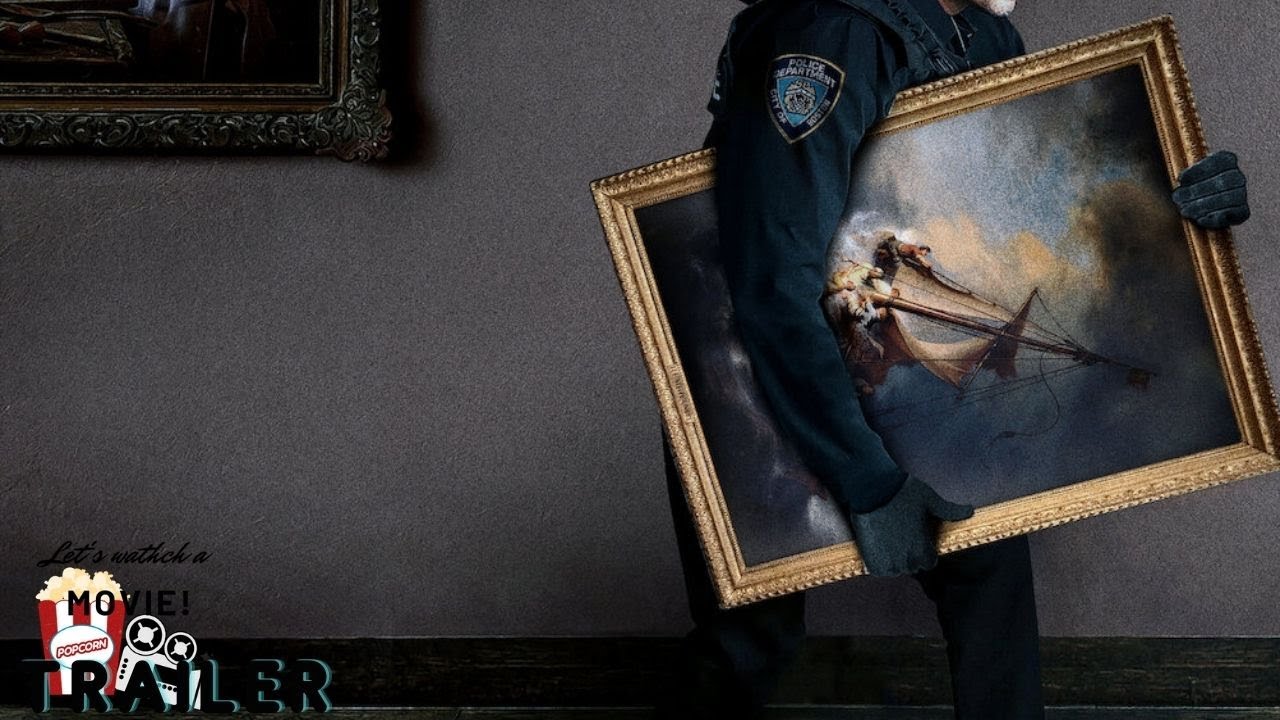
Two men in fake police uniforms walked into Boston’s Isabella Stewart Gardner Museum on March 18, 1990, tied up the guards, and left 81 minutes later with 13 masterpieces worth over $500 million. Thirty-five years later, not one painting has come back. The frames still hang empty. The reward still stands. And the world still wants answers.
Key takeaways
- When: March 18, 1990, at 1:24 a.m.
- Where: Isabella Stewart Gardner Museum, Boston, Massachusetts
- What was taken: 13 artworks including Rembrandt, Vermeer, Degas, and Manet pieces
- Estimated value: $500 million+ (possibly close to $1 billion today)
- Time inside: 81 minutes
- Status: Unsolved. No arrests. No recoveries. Case active.
- Reward: $10 million, still available
- Primary suspects: George Reissfelder and Leonard DiMuzio (both died in 1991)
- Dutch Room renovation: Ongoing, expected to complete by early 2027
The Night That Stunned the Art World
It was St. Patrick’s Day night in Boston. The city was loud, festive, and distracted. Nobody was watching the quiet, Venetian-style palace on Palace Road.
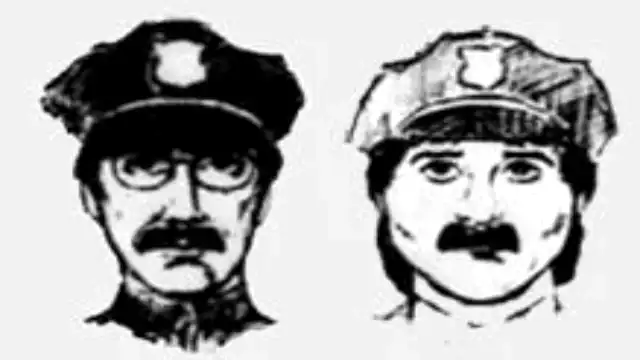
At 1:24 a.m. on March 18, 1990, two men in police uniforms rang the buzzer at the Isabella Stewart Gardner Museum’s side entrance. They told the guard on duty they were responding to a disturbance call. Simple enough, right?
The guard — 23-year-old Rick Abath — broke protocol and let them in.
That one decision cost the world half a billion dollars’ worth of irreplaceable art.
What Is the Isabella Stewart Gardner Museum?
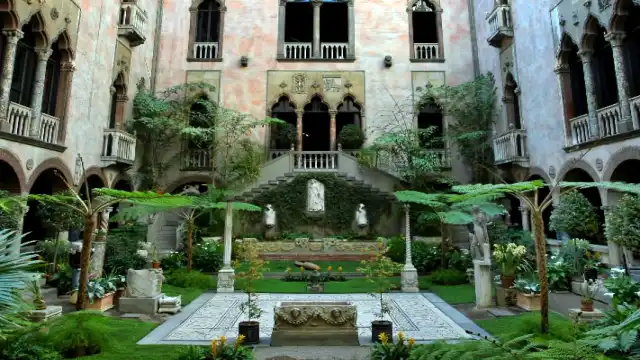
Before we get into the heist itself, here’s a quick backstory. Isabella Stewart Gardner was a bold, unconventional Boston socialite born in New York City in 1840. She married John Lowell Gardner Jr. in 1860, and after years of traveling Europe, she developed a fierce passion for art.
In 1903, she opened her museum at 280 The Fenway in Boston — designed to look like a 15th-century Venetian palace. Every painting, sculpture, and artifact was placed exactly where she wanted it. Her will specified that nothing could be moved after her death. That clause, as you’ll see, makes the empty frames especially haunting.
81 Minutes. 13 Masterpieces. One Unsolved Mystery.
Once Abath let the two men inside, things moved fast.
The fake officers told Abath to step away from the security desk. They then overpowered him and a second guard, Rick Nichols, marched them to the basement, and duct-taped them to pipes. Neither guard was physically harmed — but neither could raise an alarm.
The museum had motion detectors, which recorded the thieves’ movements. What those detectors revealed later was chilling: the men knew exactly which rooms to hit and which to skip. They never entered the first-floor Blue Room, for instance — even though it held valuable pieces too.
In 81 minutes, they removed 13 works of art and vanished into the night.
What Was Stolen?
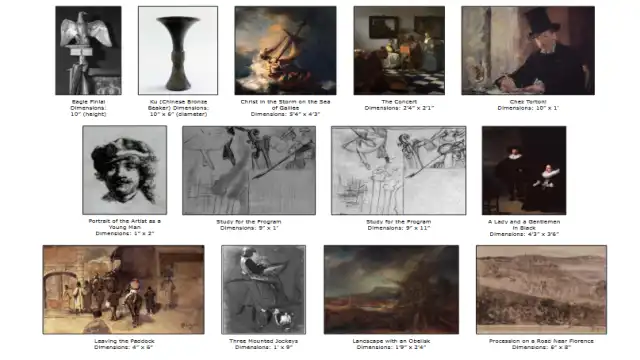
Here’s the full list of what the thieves took:
From the Dutch Room:

- Christ in the Storm on the Sea of Galilee (1633) — Rembrandt van Rijn (his only known seascape)
- A Lady and Gentleman in Black — Rembrandt van Rijn
- The Concert — Johannes Vermeer (one of only ~36 Vermeer paintings in existence)
- Landscape with an Obelisk — Govaert Flinck (mistakenly attributed to Rembrandt at the time)
- A Rembrandt self-portrait etching
- An ancient Chinese bronze gu (ritual vessel)
From the Short Gallery:
- Five sketches by Edgar Degas
- A bronze Napoleonic finial (eagle atop a flagpole)
From the Blue Room:
- Chez Tortoni — Édouard Manet
The thieves used box cutters to slice canvases from frames and smashed protective glass off others. Art experts would later wince: that’s the method of amateurs who didn’t fully understand what they were handling.
How Much Is the Stolen Art Worth?
At the time of the theft, the collection was valued at over $500 million. Today? Some estimates put the value closer to $900 million to $1 billion when adjusted for the art market’s growth. The Vermeer alone—The Concert—could fetch hundreds of millions at modern auction.
That makes this not just the largest art heist in history, but also the largest property crime ever committed in the United States, according to the FBI.
The Empty Frames: A Haunting Policy
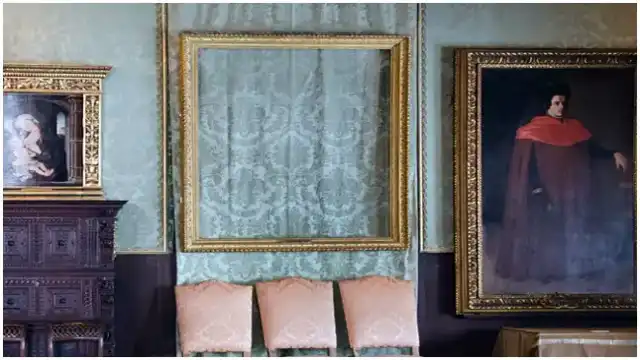
Here’s what makes the Gardner Museum unlike any other: because Isabella Stewart Gardner’s will forbids rearranging the collection, the empty frames from the stolen paintings still hang on the walls today. Five of them remain in the Dutch Room.
Walk in there now, and you’ll see gilded rectangles surrounding nothing but wall. It’s one of the most quietly devastating things in American art history.
The museum announced in September 2024 that the Dutch Room would undergo a two-year renovation, expected to complete by early 2027. The empty frames will be restored along with everything else—ready to welcome back the stolen works if they ever return, as the museum put it.
Who Did It? The Suspects
This is where the story gets tangled — and genuinely fascinating.
George Reissfelder and Leonard DiMuzio
On the 35th anniversary of the heist, in March 2025, retired FBI agent Geoffrey Kelly — who led the Gardner investigation for over two decades — gave his first in-depth interview since retiring. He named the two men he believes physically entered the museum: George Reissfelder, a petty thief, and Leonard DiMuzio, who had been implicated in home invasions.
Kelly says Reissfelder parked his red Dodge Daytona near the museum’s Palace Road entrance that night, with DiMuzio in the passenger seat.
Both men died in 1991 — Reissfelder from a cocaine overdose, DiMuzio shot to death — which is why they’ve never faced charges. The FBI had previously identified the thieves with a “high degree of confidence” back in 2013 but declined to name them publicly at the time.
The Man Behind the Plan: Carmello Merlino
Kelly’s 2025 theory points higher up the chain. He believes Carmello Merlino, a mob associate who ran a Dorchester auto repair shop and had ties to the Patriarca crime family, likely orchestrated the heist. The plan? A quick, profitable robbery — grab the Rembrandts, sell them quietly.
“They probably had no idea what they were really taking,” said Kelly. “And then they wake up on March 19 to realize they’ve committed the heist of the century.”
Merlino was later arrested in a completely unrelated armored car sting in the late 1990s. He died in prison, never revealing what he knew about the paintings.
Robert “The Cook” Gentile
For years, investigators zeroed in on Robert Gentile, a Connecticut mobster with ties to the Philadelphia crime family. A 2012 search of his home turned up an FBI list of the stolen Gardner paintings with their estimated values hidden on his property — suspicious, to put it mildly.
Federal prosecutors offered Gentile immunity if he could produce the artwork. He refused. He denied everything until his death in 2021.
Rick Abath: The Guard Who Let Them In
The guard who buzzed them in — Rick Abath — always maintained he had nothing to do with the heist. He died in 2024. But in his 2025 interview, Kelly told the Boston Globe he believes Abath was involved, based on evidence gathered over the years. Kelly noted that Abath’s behavior that night — including stepping away from the security desk on the thieves’ request without hesitation — raised serious red flags. It’s a detail that has never been fully resolved.
Where Are the Paintings Now?
Nobody knows. Truly.
In 2013, the FBI announced it believed some of the stolen artwork — including Rembrandt’s The Storm — passed through organized crime circles to Philadelphia, where the trail went cold around 2003.
There have been what Kelly describes as “credible sightings” of several pieces: the Vermeer, Rembrandt’s Storm, the tiny Rembrandt self-portrait, the Manet, and the Napoleonic finial. But no confirmed recovery. Not a single frame has come back.
Kelly, now a partner at Argus Cultural Property Consultants, offered this sobering perspective: “Someone is going to be looking in an attic and find these pieces. There’s always hope.”
Why Is It So Hard to Sell Stolen Art?
You’d think half a billion dollars in paintings would be easy to cash in on. The reality is the opposite.
Stolen masterworks are essentially untradeable through legitimate channels. Every major auction house, dealer, and museum cross-references art against databases like the FBI’s National Stolen Art File (NSAF) and Interpol’s Works of Art database. The Gardner paintings are among the most famous stolen works in the world — their faces are on every watchlist.
So why haven’t the thieves sold them? A few theories:
- They tried and couldn’t. The pieces are too well-known.
- They’re being held as collateral in criminal dealings — used to secure loans or guarantee deals between criminal networks. This theory has significant support from investigators.
- The original thieves are dead, and whoever inherited the paintings doesn’t know their full value or history.
- They’re sitting in someone’s private collection, never shown publicly.
Art crime experts note a grim pattern: major stolen works often take decades or even generations to surface. Sometimes they appear in an estate sale. Sometimes they show up in a lawsuit. The waiting game is real.
The $10 Million Reward
The museum has offered a reward since the theft, progressively raising it — from $1 million initially, to $5 million in 1997, to $10 million in 2017. It remains active today.
To claim it, you need to provide information that leads to the return of the stolen works in good condition. The FBI also offers immunity consideration to anyone involved who comes forward with actionable information.
Tips can still be submitted to the FBI at tips.fbi.gov or directly through the Gardner Museum. The museum continues to receive tips more than 35 years later.
The Cultural Ripple Effect
The Gardner heist didn’t just rob Boston — it stole from everyone. Vermeer’s The Concert is one of roughly 36 paintings ever confirmed to have been made by Johannes Vermeer. You can’t commission a replacement. You can’t digitally restore the experience of standing in front of it. It’s just… gone.
The heist has since inspired a Netflix documentary (This Is a Robbery: The World’s Biggest Art Heist, 2021), a WBUR/NPR podcast (Last Seen), and even a 2024 semi-fictionalized film called Any Day Now. It has become part of American cultural mythology — a story that keeps pulling people back precisely because it has no ending.
Meanwhile, the Gardner Museum endures. Visitors still walk its candlelit corridors. The courtyard garden still blooms each spring. And the Dutch Room still holds those empty frames — a reminder that some crimes don’t get a clean resolution.
Where Things Stand in 2025
On the 35th anniversary, March 18, 2025, the FBI’s Boston office reiterated its plea for public help. Special Agent-in-Charge Jodi Cohen stated that the bureau continues to seek information from the public.
The Dutch Room renovation is underway, expected to finish by early 2027.
Geoffrey Kelly — who searched until the day he retired — has publicly named his prime suspects for the first time. The official FBI case remains open. No charges have ever been filed. No artwork has ever been recovered.
Thirty-five years. $10 million on the table. Thirteen masterpieces still missing.
Final Thought
Some mysteries stay unsolved not because the truth doesn’t exist — but because everyone who knows it is dead, silent, or gone. The Gardner heist sits squarely in that category. The clues are out there. The art is somewhere. And somewhere, five empty frames are waiting.
Do you have a tip or information about the stolen works? Contact the FBI at tips.fbi.gov or reach the Gardner Museum’s security team at gardnermuseum.org. The $10 million reward is very much real.
Sources: FBI | Isabella Stewart Gardner Museum | The Boston Globe | Smithsonian Magazine | A&E

